Marc Ankenbauer's 10+ year quest to jump in every named lake in Glacier and Waterton National Parks for charity.
168 lakes. Only 17 16 15 14 13 12 11 10 9 8 7 6 5 4 3 2 1
ZERO LAKES LEFT!!!
-- Marc jumped into Fisher Cap Lake on Sunday September 8th, 2013 to complete his goal! --
Read about Marc and how this project started...

Archives for January 2013

Amundsen Scott South Pole Station : Oasis in the Desert

OLYMPUS DIGITAL CAMERA


Before 1911 no human had ever been to the South Pole.

While it is still pretty rare, I flew there in three hours on a C130.

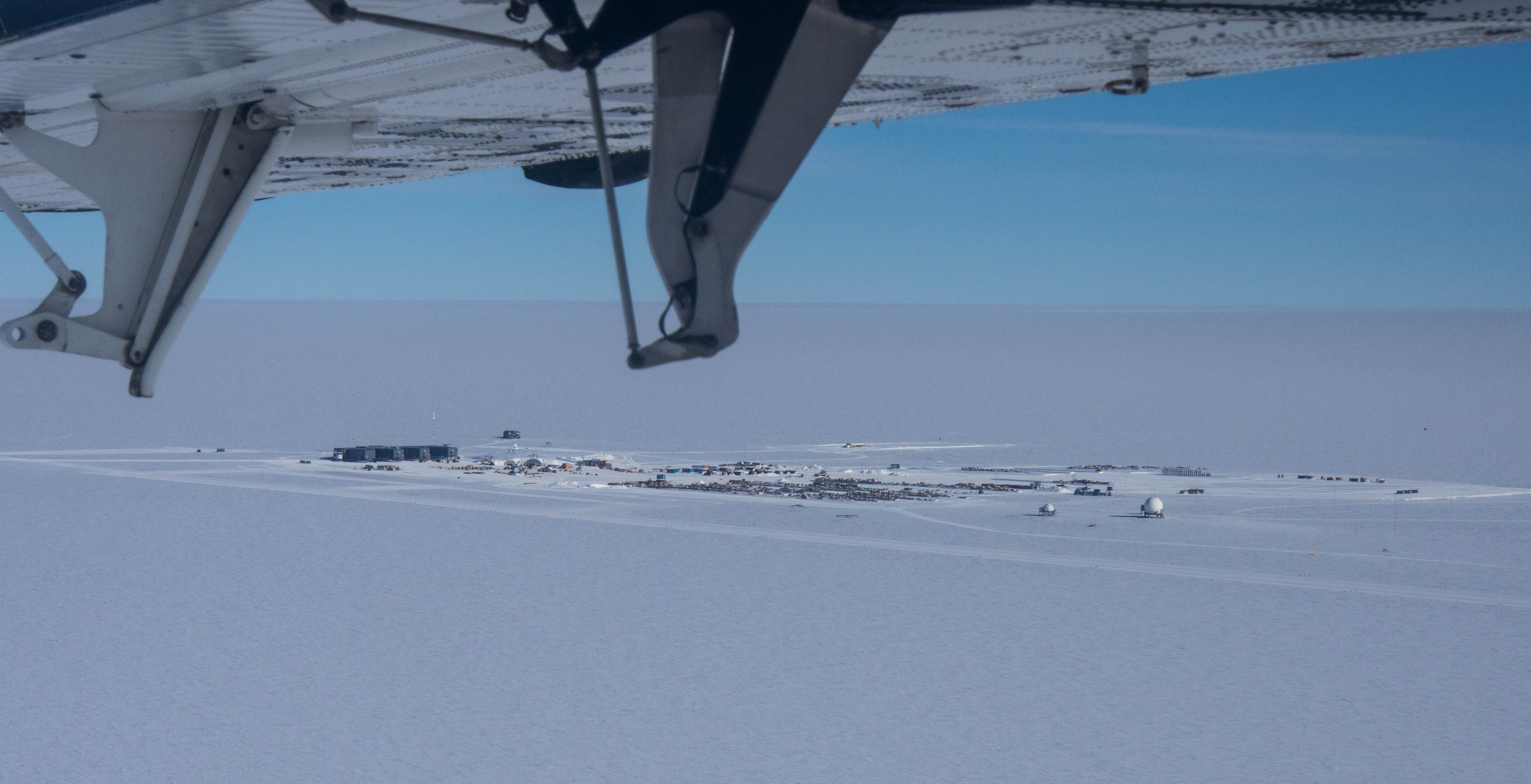
The Amundsen Scott South Pole Station is the only permanent outpost of humanity for about 50,000 square miles.

Flat ice, 10,000 feet thick expands away from the station for what is essentially forever.

In summer the average high temperatures are -15F.

In winter the mercury has dropped as low as -116F.
OLYMPUS DIGITAL CAMERA


The South Pole is often analogously compared to outer space.

Humans at the South Pole can’t live without substantial technological help.

Period.


We wear what is essentially a space suit and live in what certainly feels like a space station.

Somehow, with its ultra-bizarre surroundings the South Pole Station creates a strangely normal and pleasant environment.

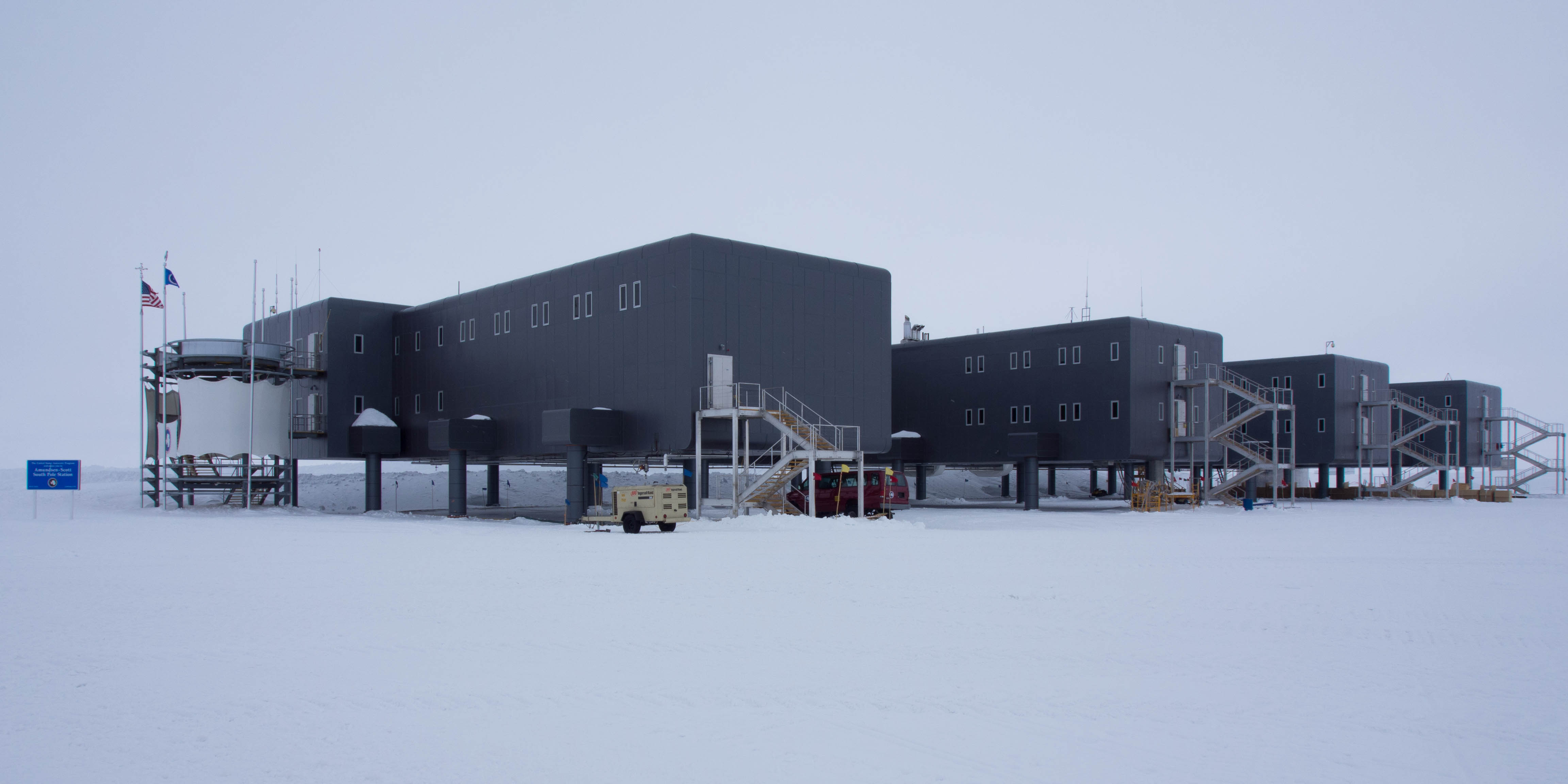
The new station is an 80,000 square foot, two level building with entrances on both ends.

It is built on adjustable pole supports.

This design allows the station to be raised to keep drifting snow from encompassing the whole structure.

Destination Alpha functions as the main entrance.

When C130’s bring new arrivals they are ushered to this main entrance port.
OLYMPUS DIGITAL CAMERA


As they enter, there is a display case with old South Pole elevation markers that have been used in past ceremonies

OLYMPUS DIGITAL CAMERA


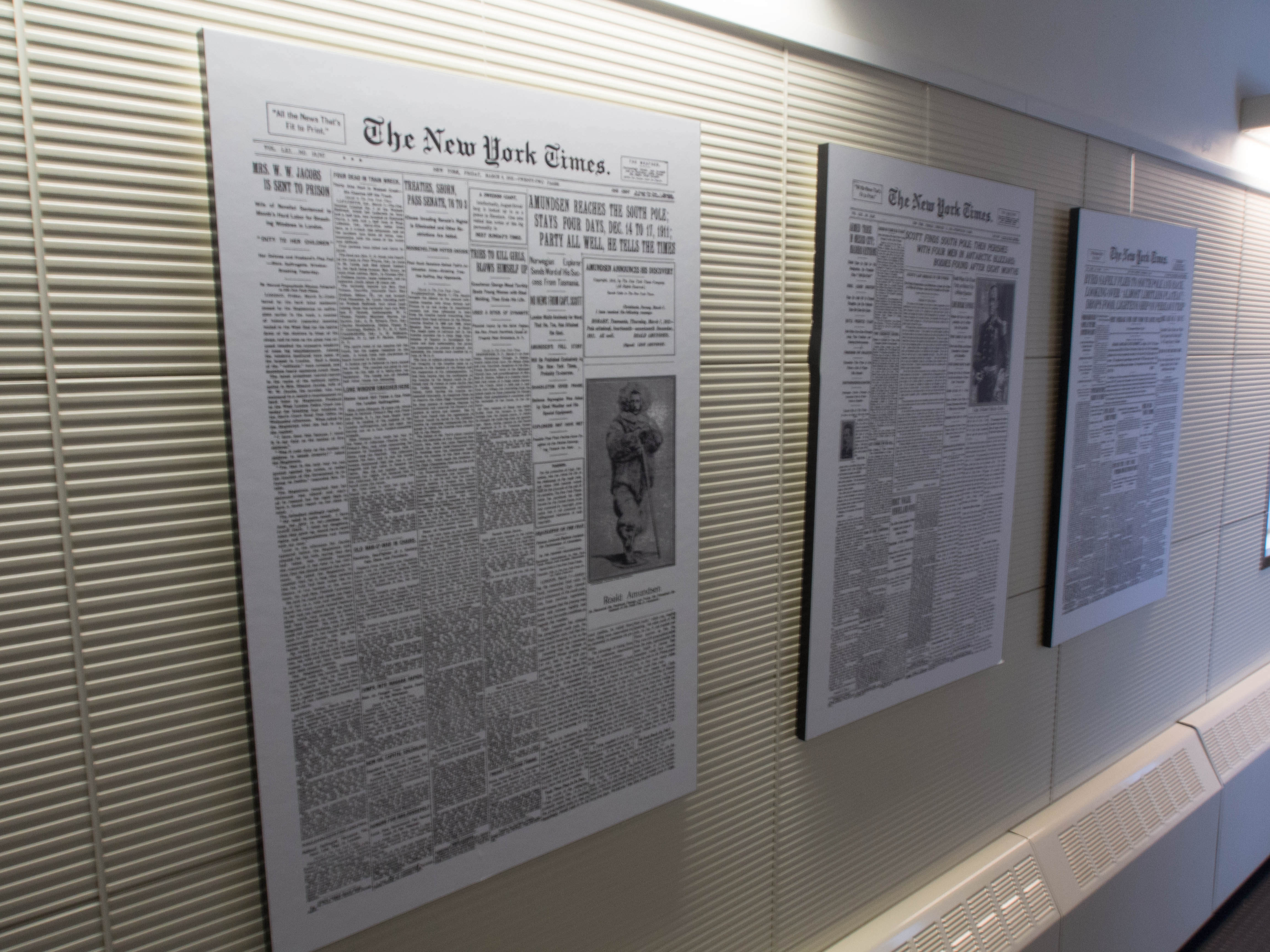
Further down the wall are three blown up newspaper pages.

They are the news stories from the most notable human feats in Antarctic history.

Roald Amundsen successfully leading the first group to the South Pole in December of 1911.

The tragic end to Robert Falcon Scott’s successful but ill-fated South Pole bid in January of 1912.

Lastly, Admiral Byrd’s first flight over the South Pole in 1929.

They were all gargantuan human and Antarctic accomplishments.
OLYMPUS DIGITAL CAMERA


Scattered along the hallways are space station versions of many of the amenities you might visit in your town.

The Post Office is tucked into a cubby next to the store.

There are stamps that designate that your mail is being post marked from the South Pole.

OLYMPUS DIGITAL CAMERA


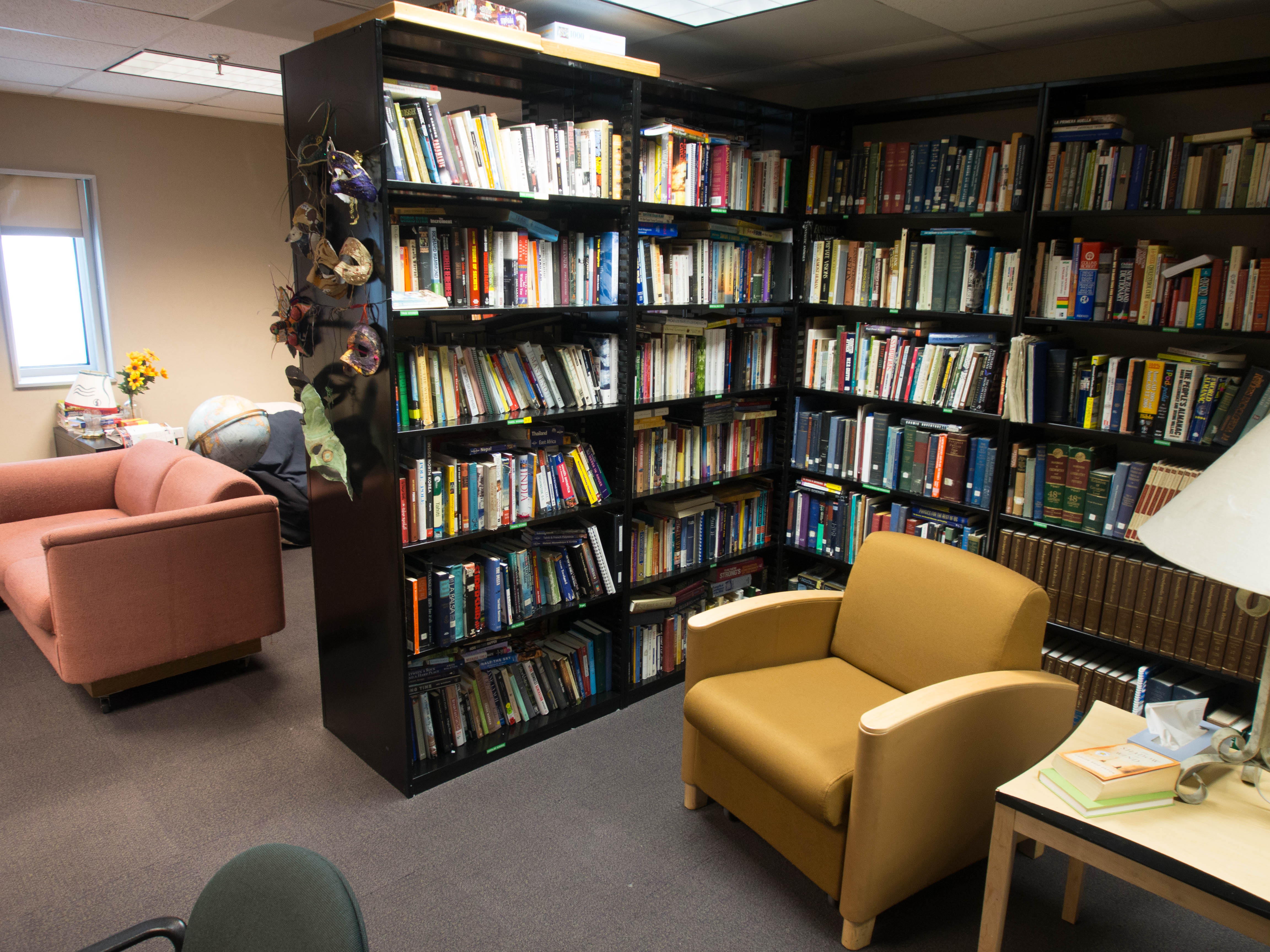
The library shelves are lined with great fiction, world travel and South Pole reference books.
OLYMPUS DIGITAL CAMERA


The workout room is filled with top end exercise equipment.

A round of cardio is quite the endeavor at 10,000’… or so they tell me.

OLYMPUS DIGITAL CAMERA


There are weekly volleyball, soccer and exercise programs offered in the gym.

It also hosts the Southernmost New Year’s Eve party on earth!

OLYMPUS DIGITAL CAMERA


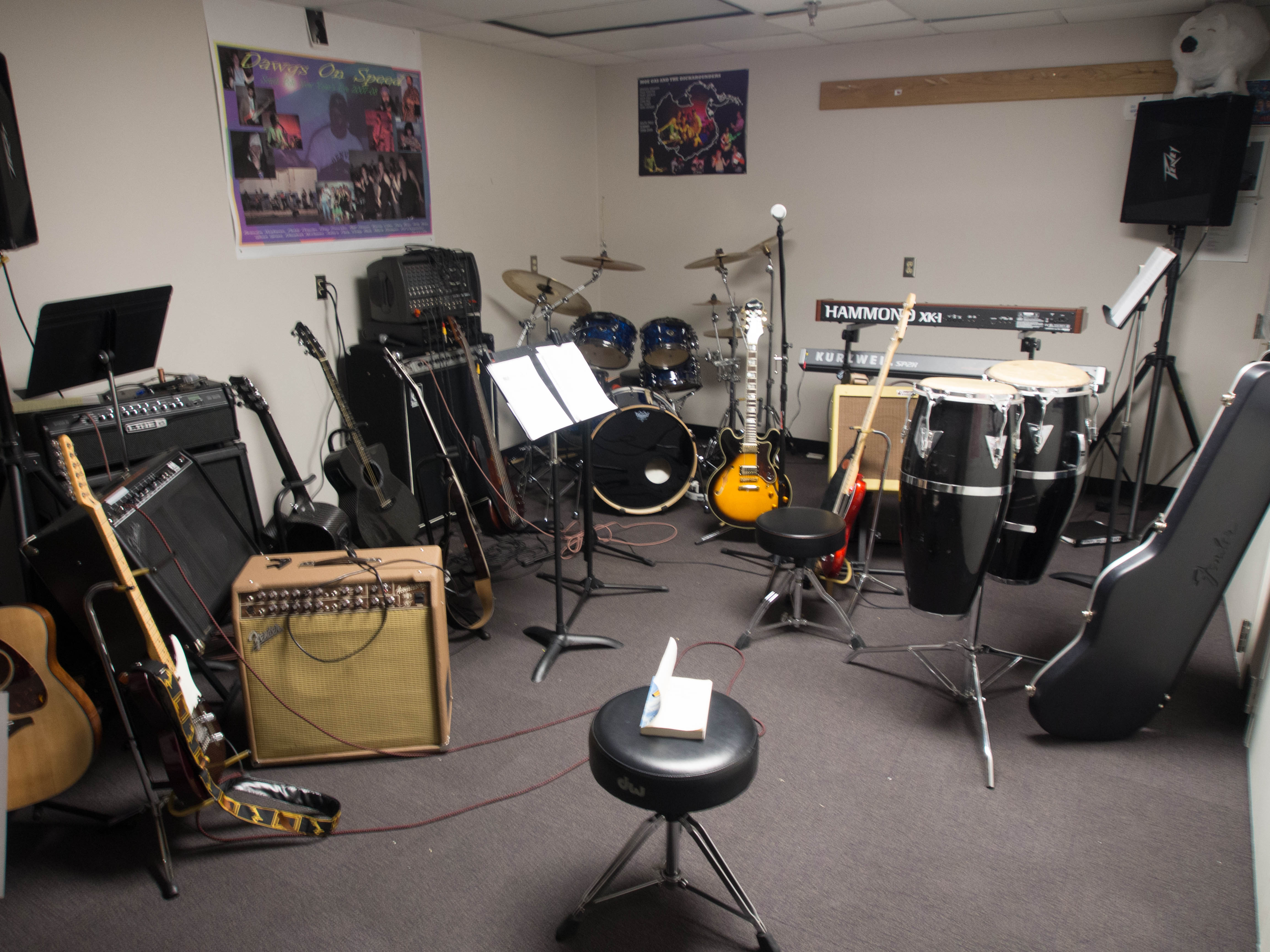
Annually, employees called “Polies” put together bands and rock the New Year.

The band room is filled with instruments and gives people a quiet room to practice.

Luckily it is far away from anyone’s sleeping quarters as to not bother folks.
OLYMPUS DIGITAL CAMERA


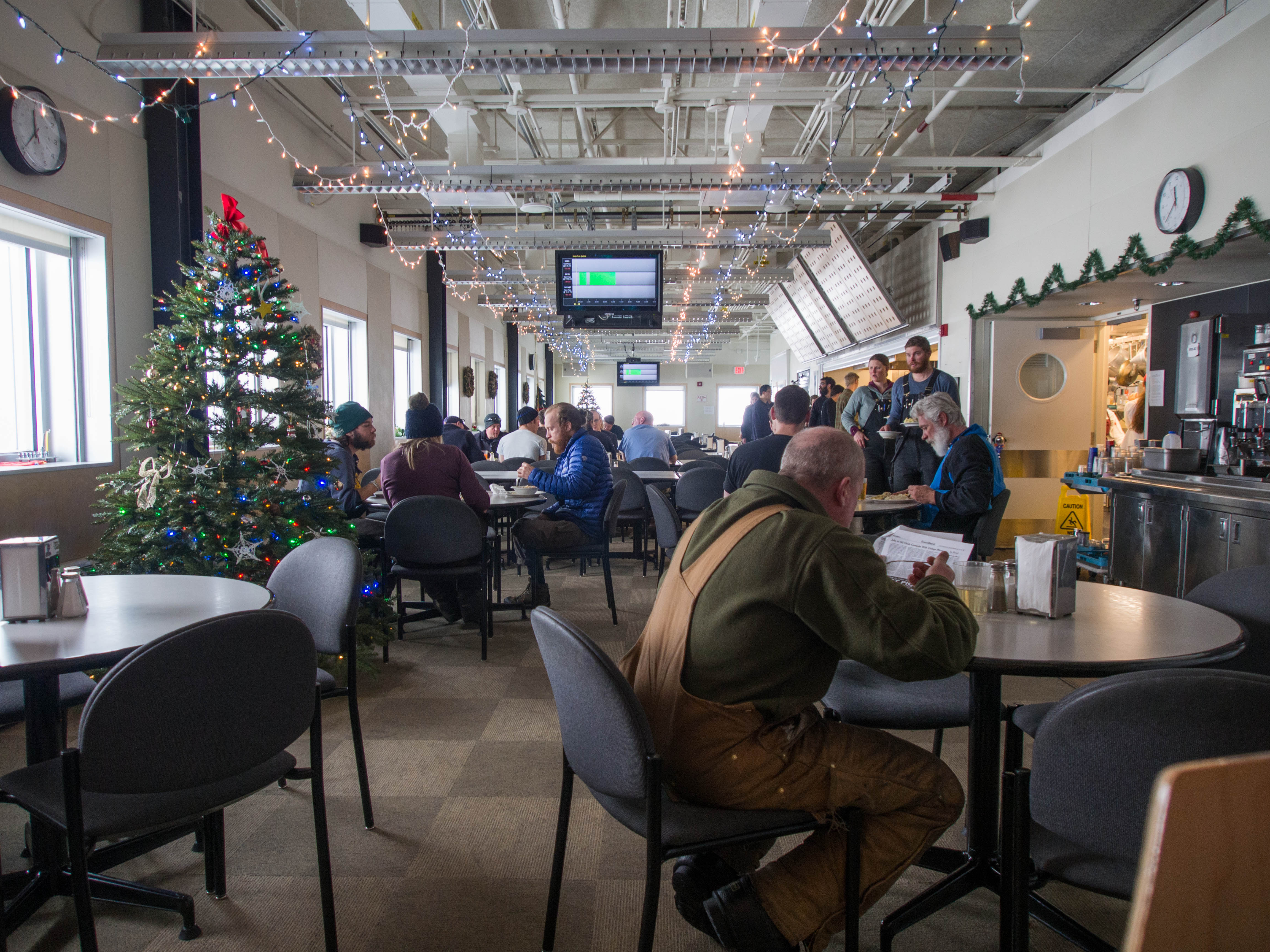
The most common place to spend time is the Galley.

The back wall’s windows look out at the ceremonial South Pole’s mirrored ball and international flags.

The food is quite wonderful for a place that gets almost no fresh food and is 1500 miles away from an unfrozen vegetable.

People hang out here chatting, playing games, watching Sunday science lectures and nibbling on cookies.
OLYMPUS DIGITAL CAMERA


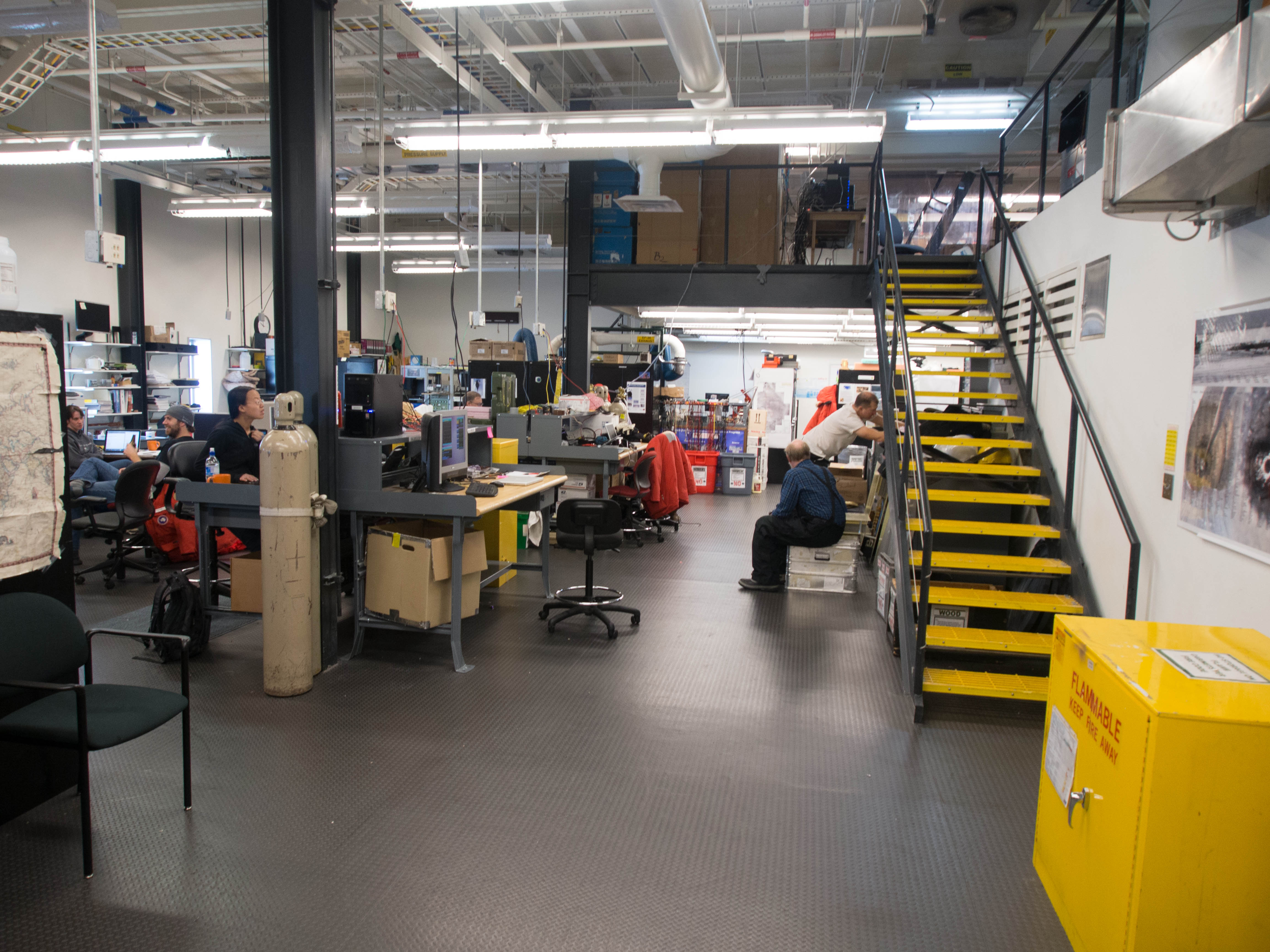
Day and night Bob, Andy and their crew spent most of their time in the science lab.

Countless hours were spent soldering electrical wires, testing various systems and drinking Mountain Dew late into the evening.
OLYMPUS DIGITAL CAMERA


There are two movie rooms with comfortable couches and there are scheduled events.

Employees get into trends of watching a certain show once a week or schedule certain movies.

On Friday nights there is a football game shown, but it is a game from last week.

The Armed Forces Network has deal with the NFL.

They send us cd copies of the games and we return them when we are done.

For a serious sports nut it would be maddening to have to watch week old games.

Most of us are just excited to be able to watch a football game.


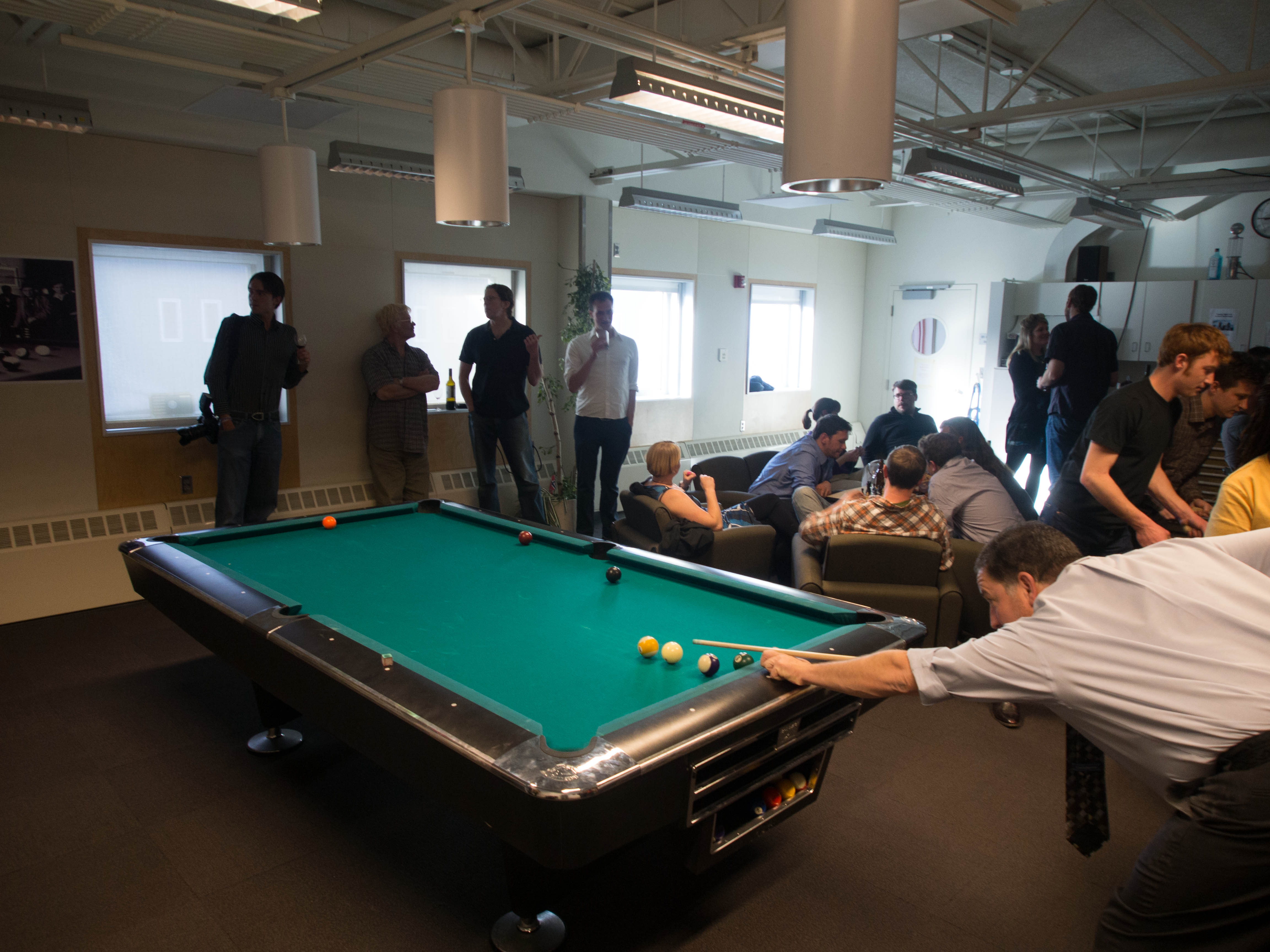
Many of the employees also hang out in the lounge.

Foosball, pool, dominos, backgammon and cribbage are played nightly.

The beauty of the South Pole is that everyone has to hang out together.

There is nowhere else to go.

So electricians hang out with firefighters, science grantees and dish washers.

It’s a great community to be a part of.

I feel very lucky to have had my moment.
OLYMPUS DIGITAL CAMERA


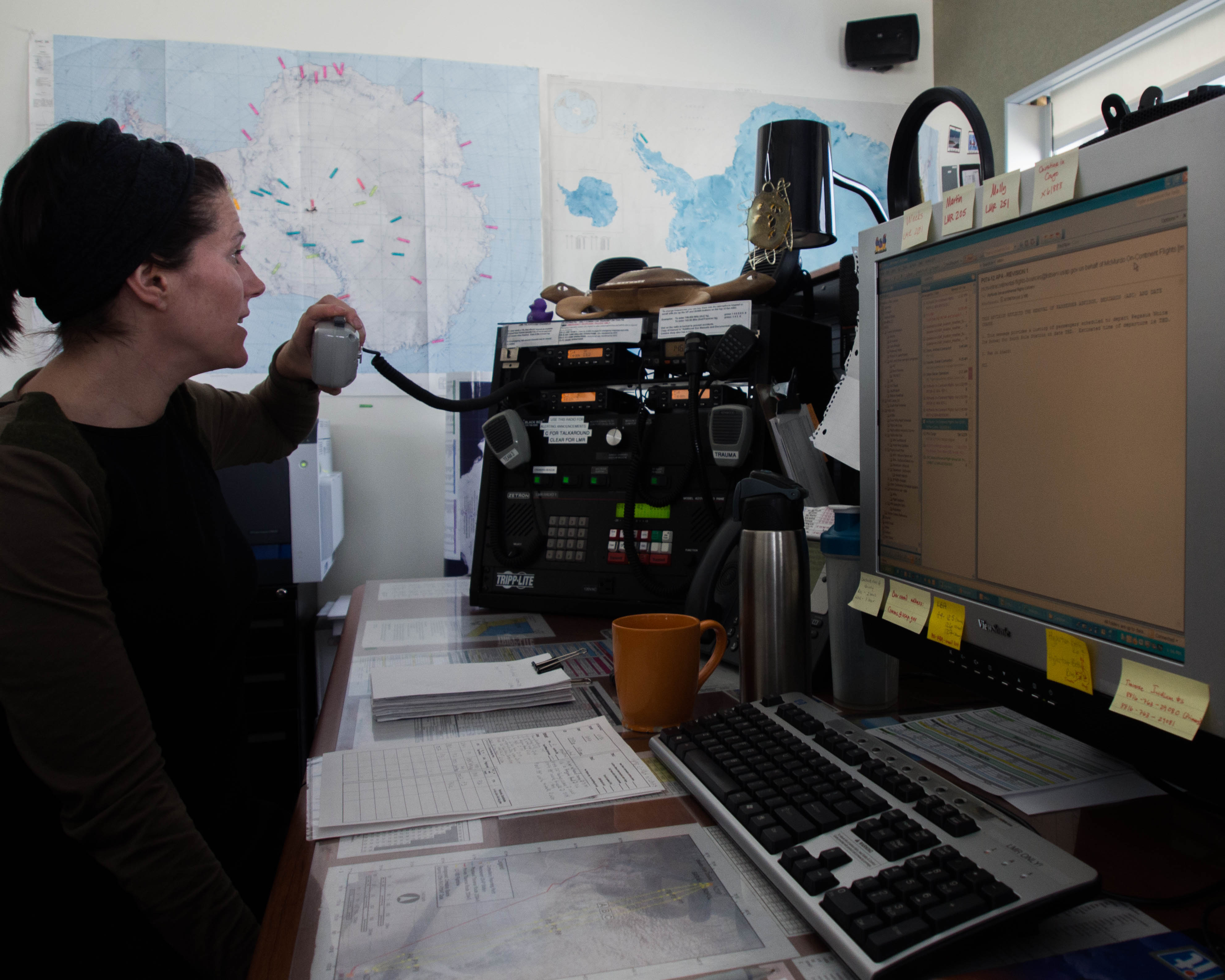
24 Hours a day there is a dispatcher on duty at the South Pole.

They respond to any emergency and keep track of field camps and flight operations.
OLYMPUS DIGITAL CAMERA


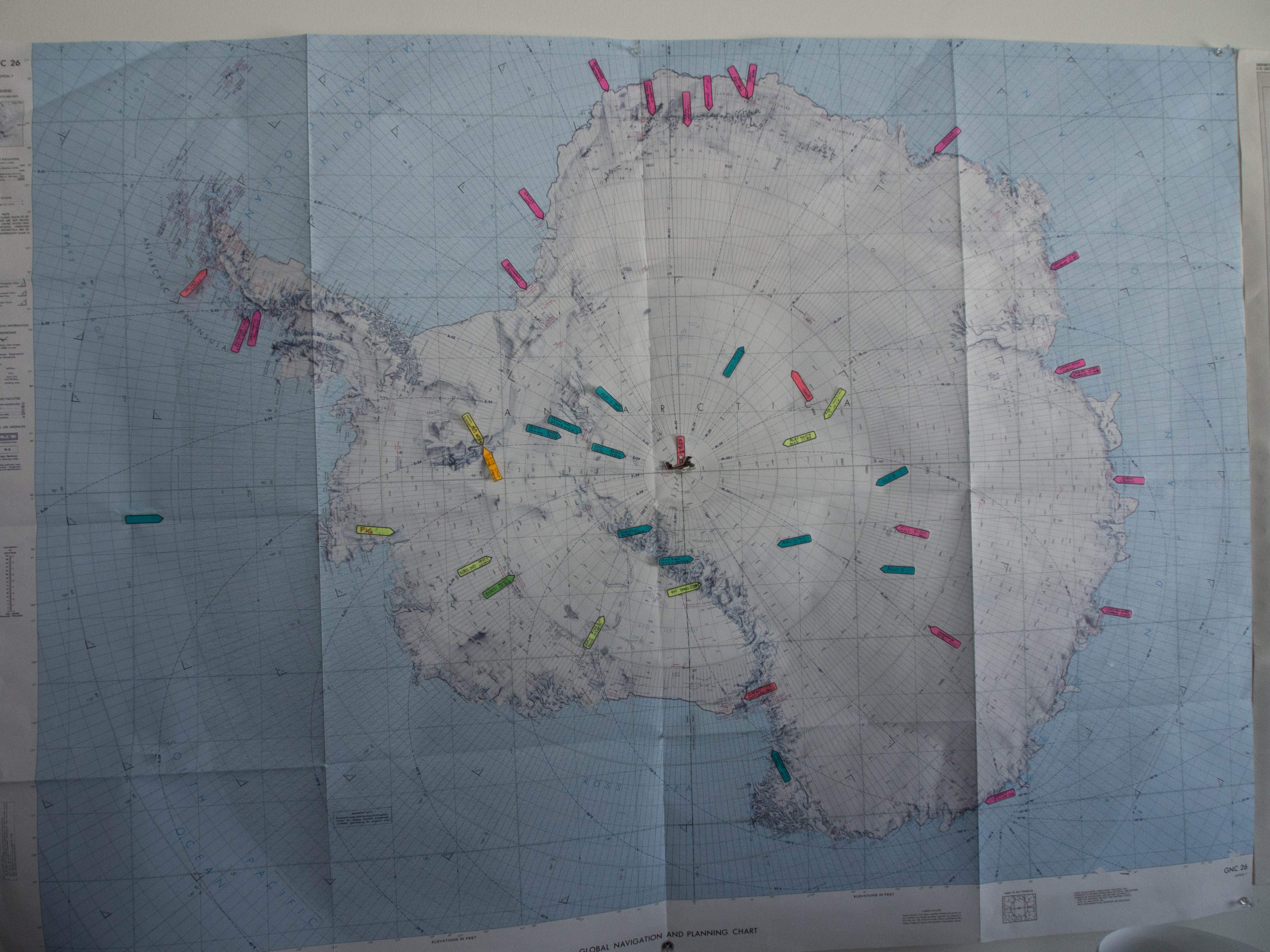
On the wall of the dispatch office is a map with all of the field camps, remote facilities and fuel caches.

I saw on a map that there is one fuel depot called Johnny Cache.

Pretty witty, huh?
OLYMPUS DIGITAL CAMERA


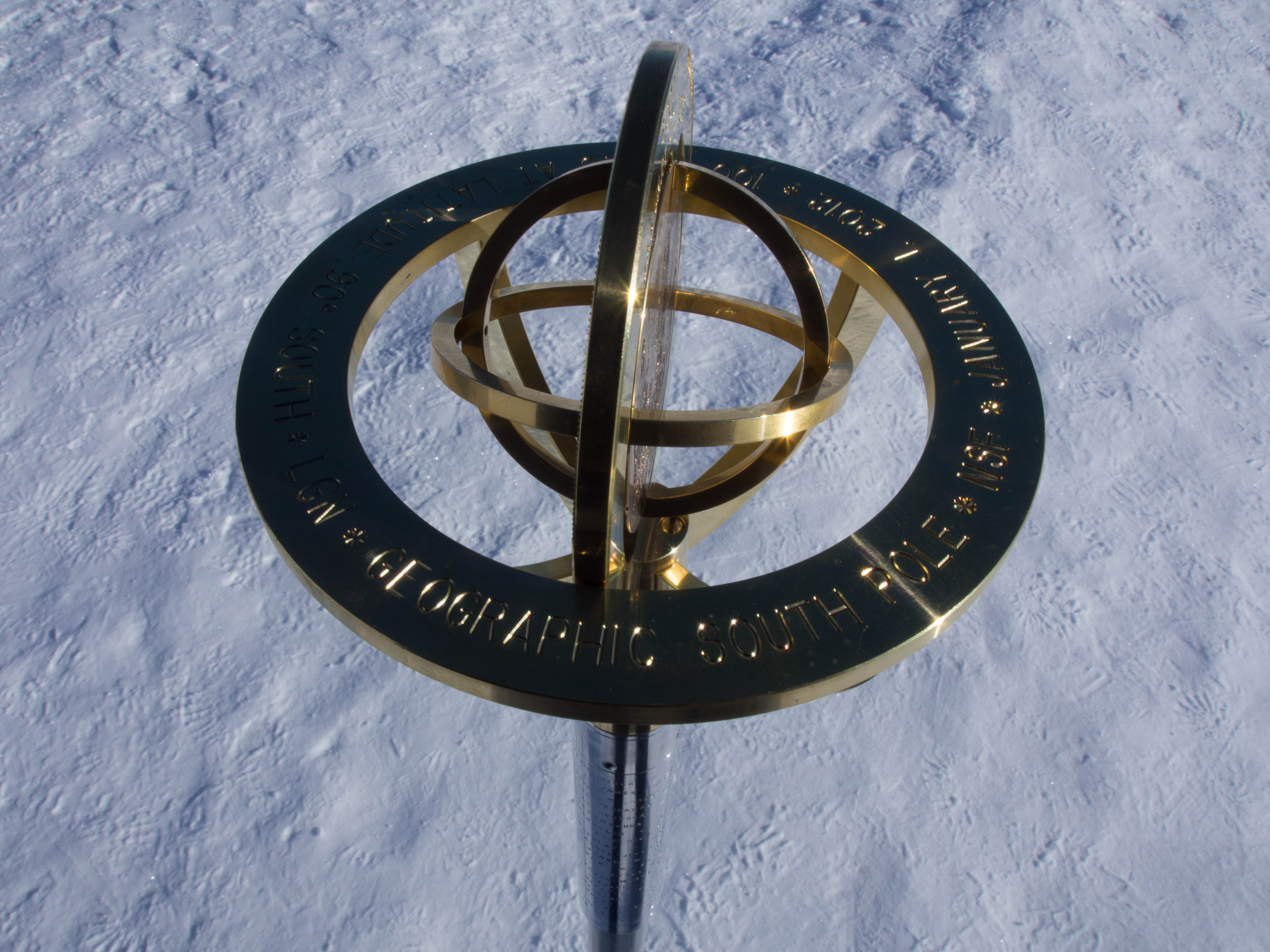
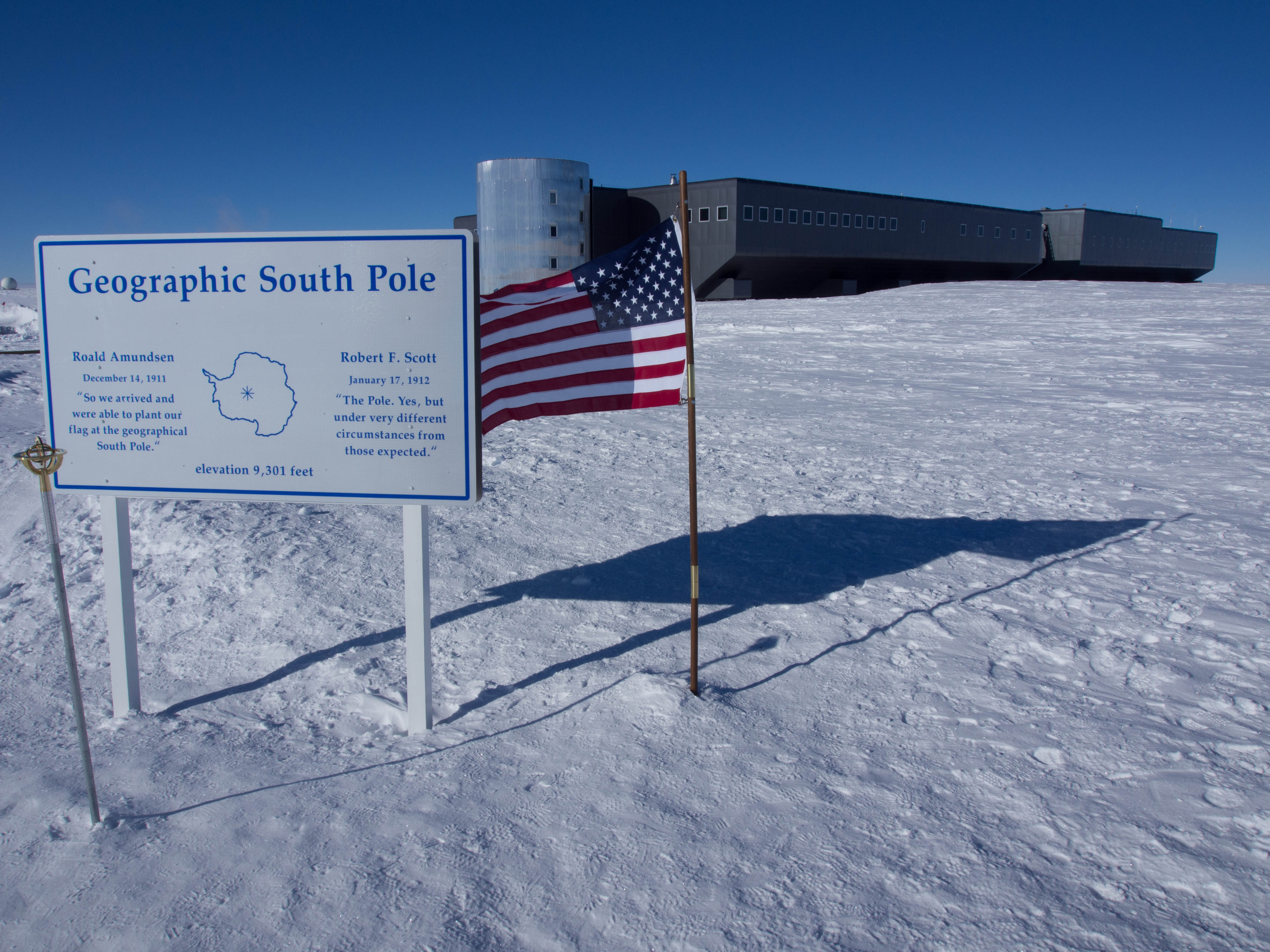
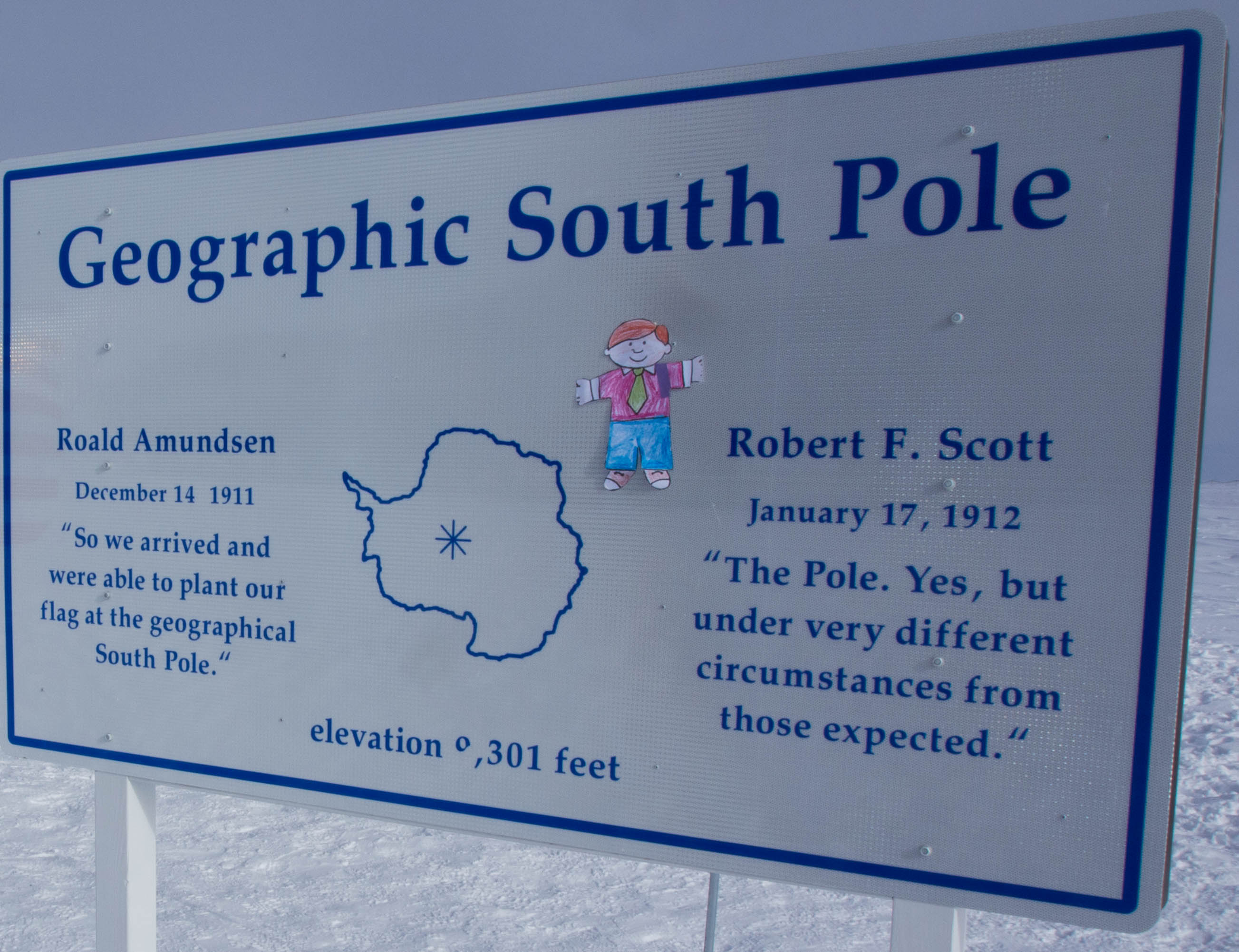
The main point of interest at the station is the actual Geographic South Pole.

There’s a sign and a gold marker that claim the exact spot.

The marker and sign are moved every New Years.

This is done to accommodate for the ice sheet moving about 30 feet a year, while the pole stays put.
OLYMPUS DIGITAL CAMERA


There is a ceremonial South Pole which is a decorative pole with a mirrored ball on top.

Surrounding the mirrored ball are flags from all the main countries that play heavy roles in the Antarctic research.

A “Hero Shot” is the term for a persons picture with the pole.

This is mine.
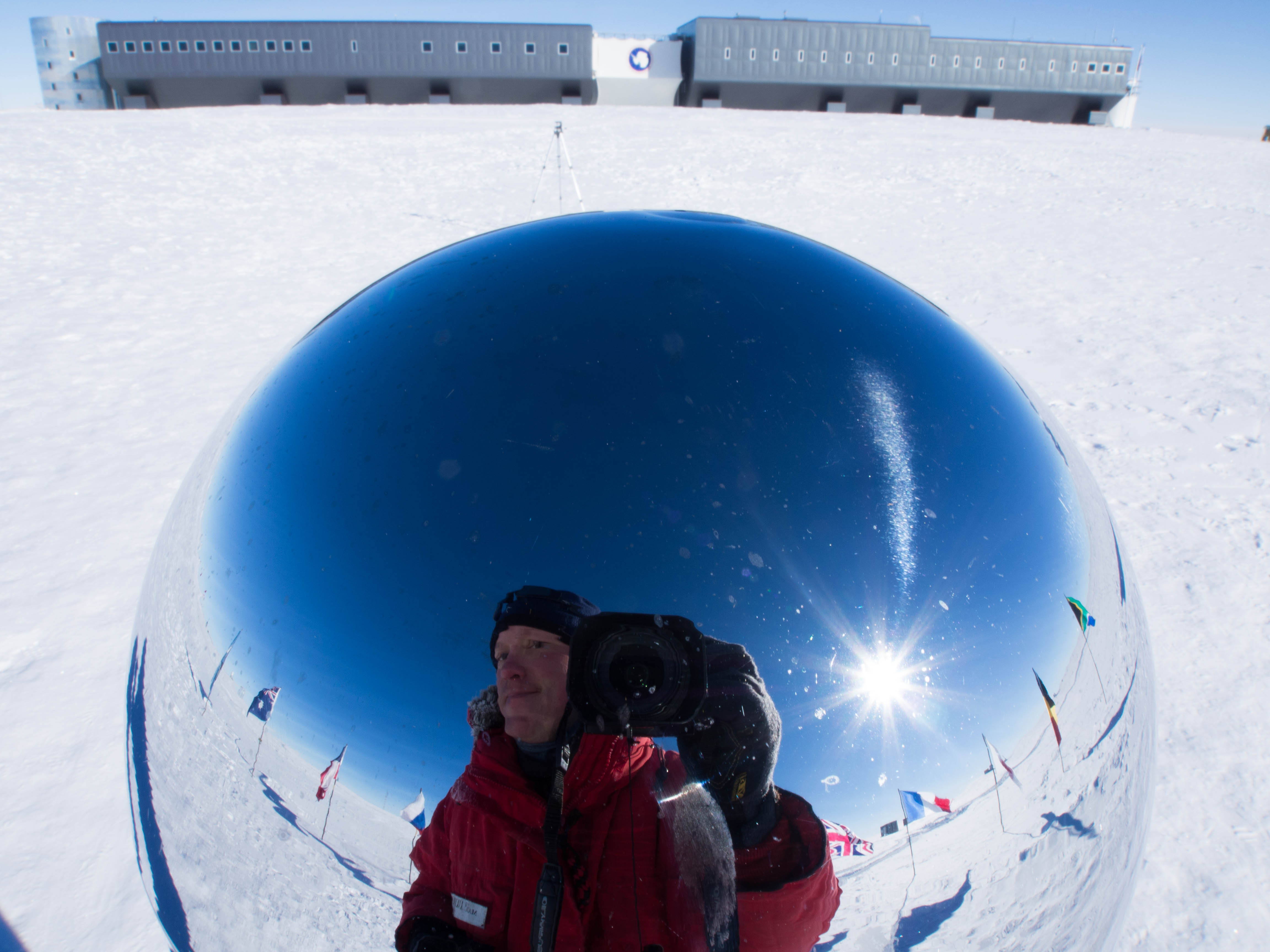
OLYMPUS DIGITAL CAMERA


It made a great spot for GLACIEREXPLORER.COM and I to thank you for all the donations and support and wish you a Happy New Year!

It was like 3:30am the night before I was leaving.

I was dead tired, but I swear its so sincere!

I just wanted to tell you all how much I appreciate your support!!!


Anyway, back to the South Pole!

The power station makes this whole project possible.

The main entrance has been covered in snow and exists below the surface of the ice.

OLYMPUS DIGITAL CAMERA


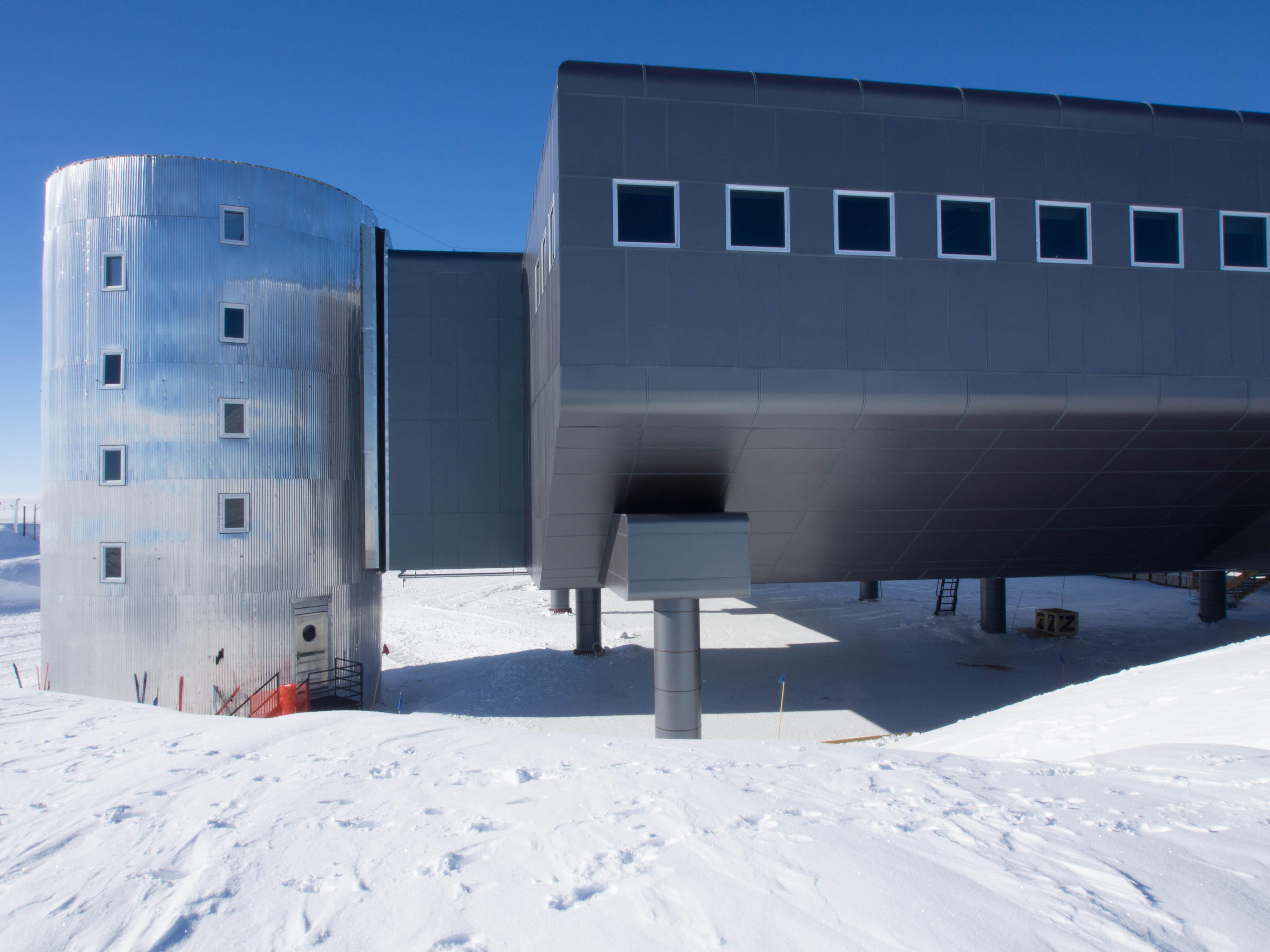
Near it is the Beer Can which is the utilitarian entrance to the station.

It’s the portal to a whole underground world that harbors all the utilities and much of the major storage.
OLYMPUS DIGITAL CAMERA


The Beer Can has a spiral staircase leading more than 100 feet below the surface of the ice.

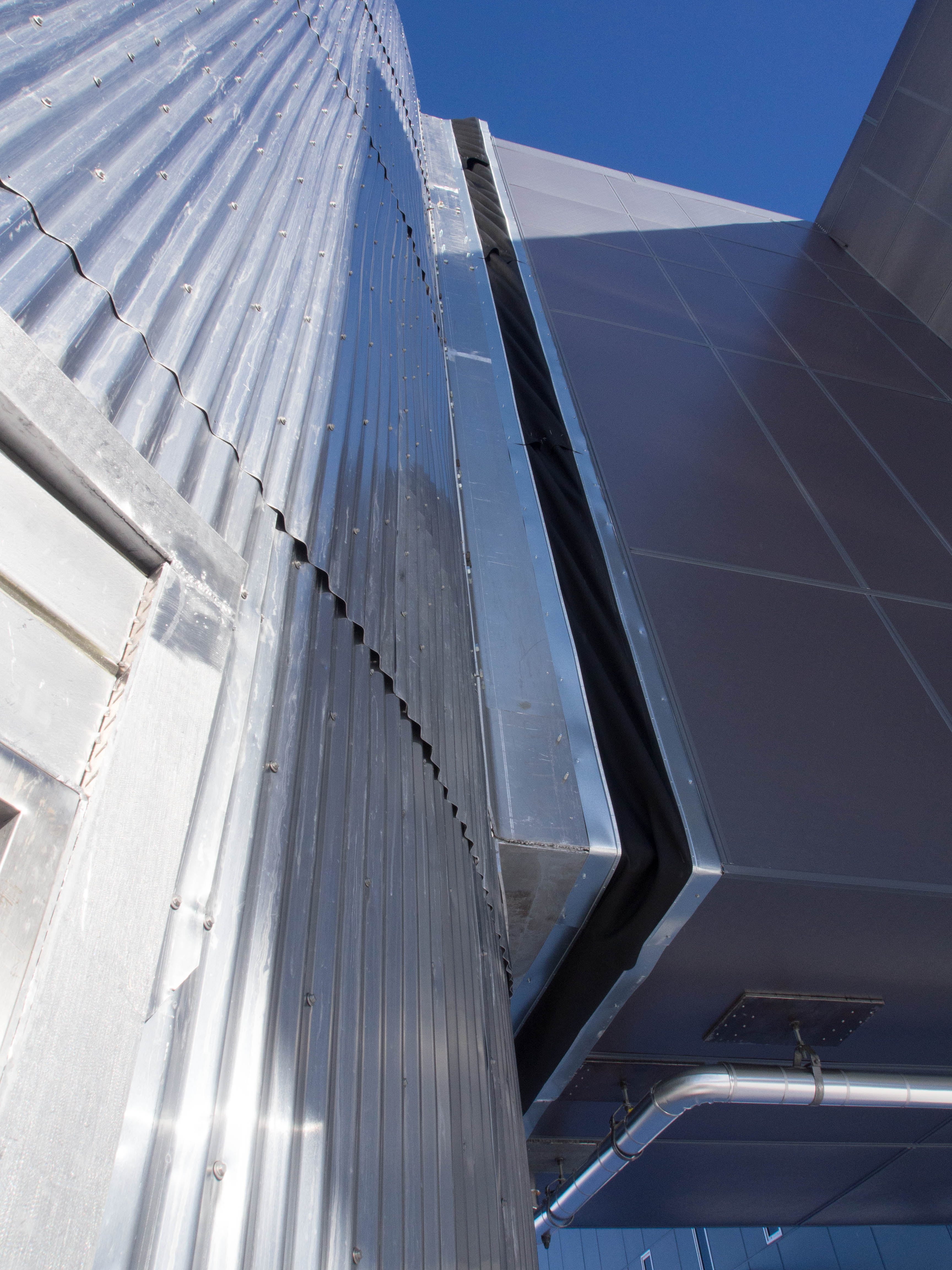
The stairwell can be raised to accommodate for the gradual raising of the surface ice.

The architects built malleable seals into the building so the chaotic shifting of the ice wouldn’t break a rigid station.
OLYMPUS DIGITAL CAMERA


There’s a labyrinth of archways which meander under the ice to the generator room and cavernous storage.

OLYMPUS DIGITAL CAMERA

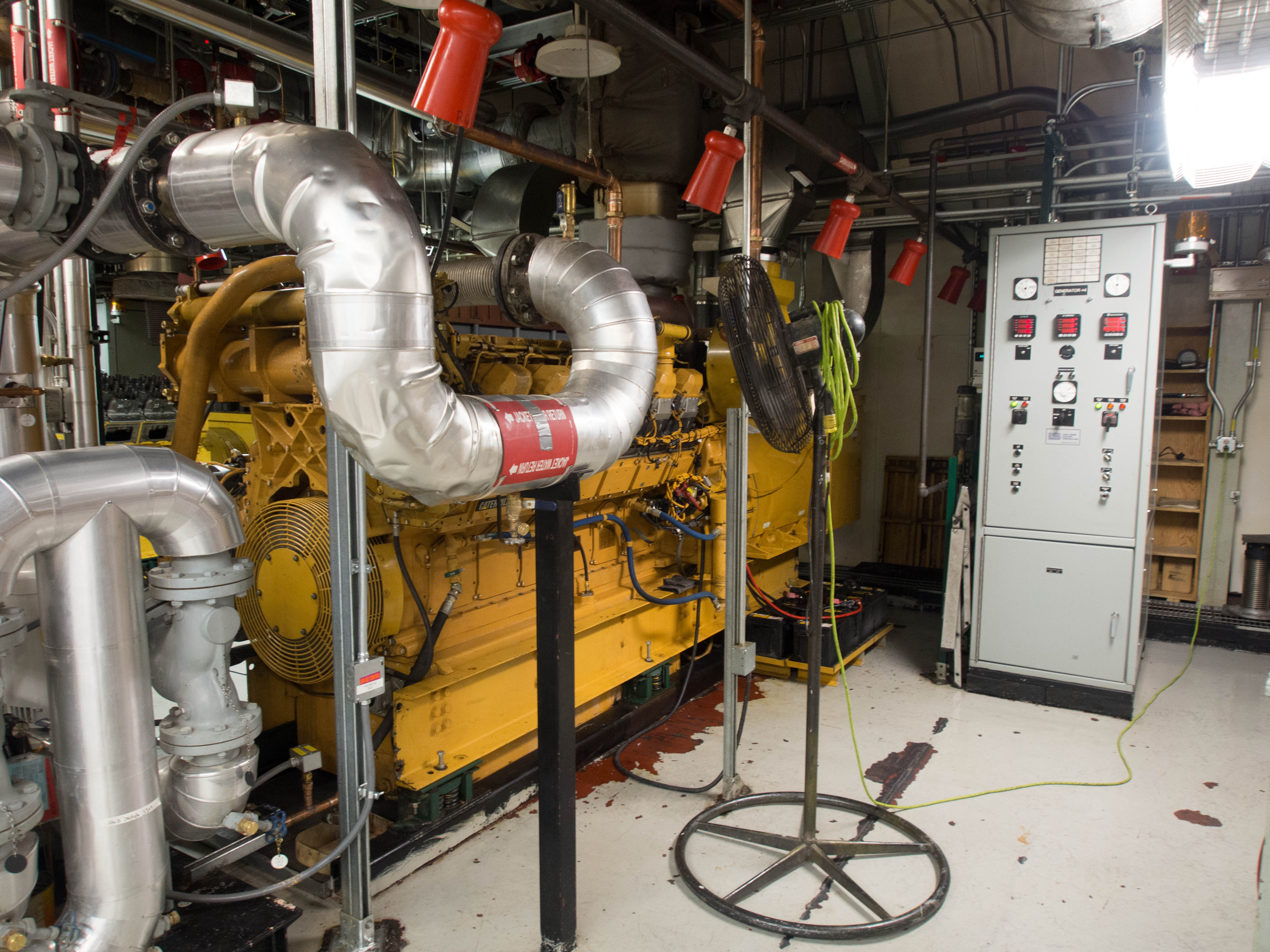
The generators are by far the most important utility on station.

If the power goes out, everyone is done for!

No ifs, ands or buts.

To combat the cold there are three enormous Caterpillar 3512 generators that carry the bulk of the power.

They put out 1200 kw of max power and burn around 50 gallons of diesel per hour each.

There is one smaller Caterpillar 3406 referred to as the “peaker” for when energy use peaks now and then.
OLYMPUS DIGITAL CAMERA


Water is a hot commodity at the South Pole.

It is rationed so stringently that everyone only gets two, 2 minute showers a week.

This is all very ironic since the station is built on top of two miles of ice.

Antarctica holds the bulk of the world’s fresh water, but it’s all frozen.

The area around the South Pole is actually a desert.

Any liquid water had to be melted which takes lots of power and plenty of ingenuity.

The waste heat from the generators is used to heat the station and plays a huge role in the water production.
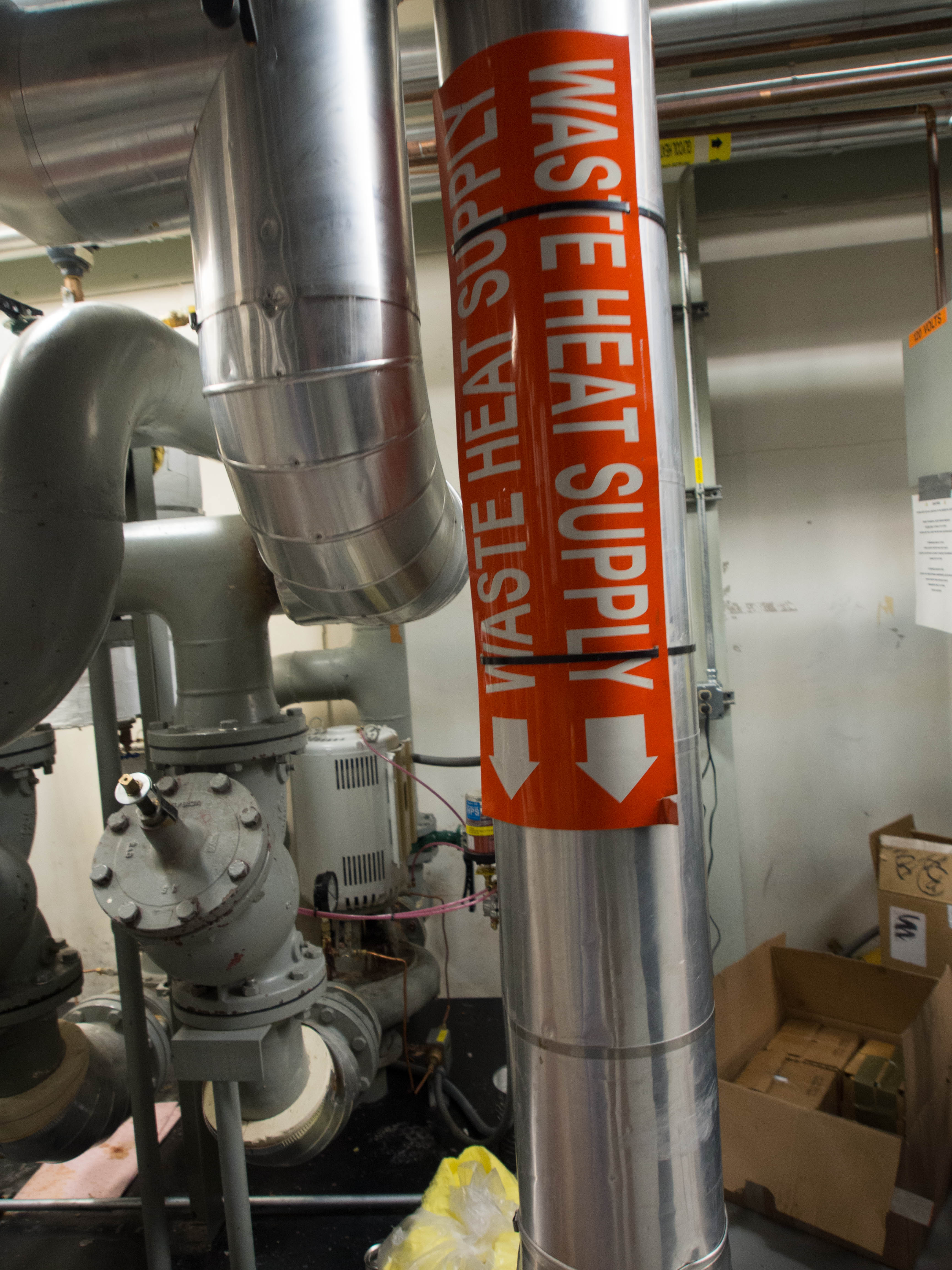
OLYMPUS DIGITAL CAMERA


In the past snow had to be dug up and put in a hopper to melt.

The new design uses Rod Well’s which are enormous bulbous caverns melted deep inside the snowpack.

Heated water is sprayed down a tunnel to melt the ice.

The melted water is extracted and pumped to the surface.

The cavern that is created is approximately 500 feet deep.

Then after they switch to a new Rod Well the old one is used to hold sewage.

The station is on to their third Rod Well.

There are T Shirts being made that say “Rod Well…If you aren’t drinking from #3, your drinking #1 and #2.

Pretty witty, huh?


The water is almost totally pure from lack of interaction with soil and minerals.

Nutrients and minerals are added to the water supply so it is healthy for human consumption.


Water, heat and all the other systems in the station exist entirely because of the power station though.

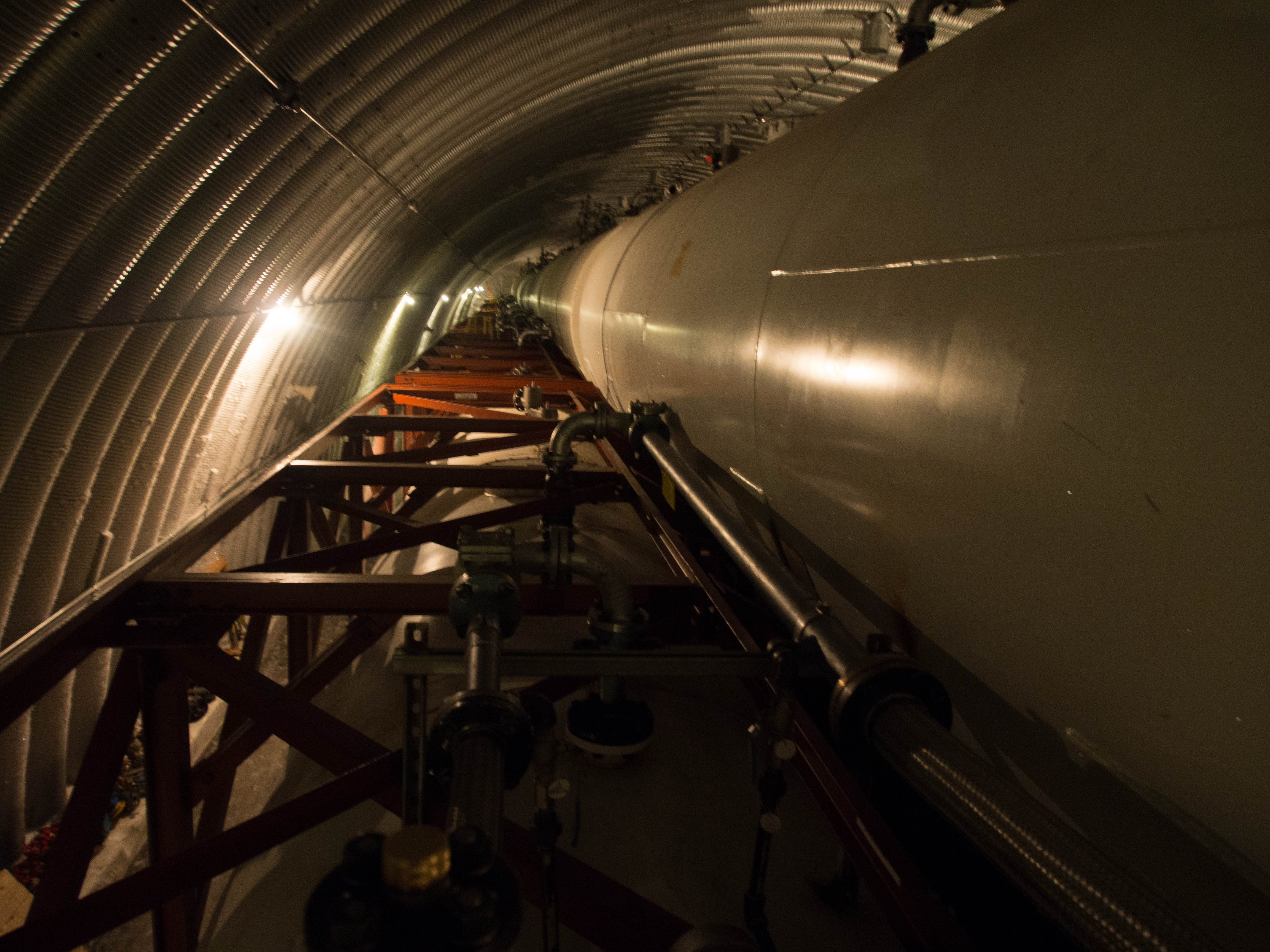
So, in these tunnels there is five years of extra fuel and there are seven years of extra food too.
OLYMPUS DIGITAL CAMERA


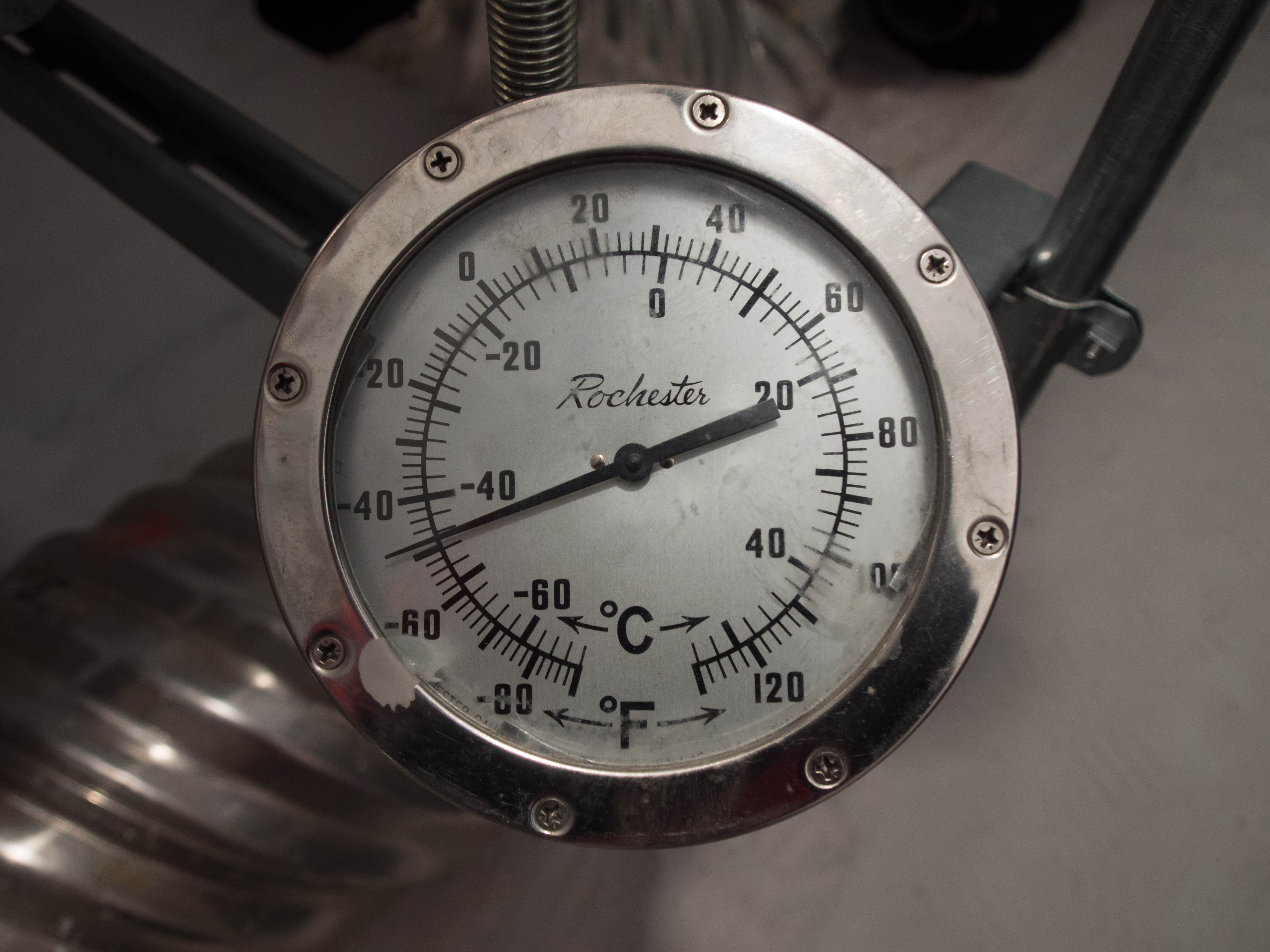
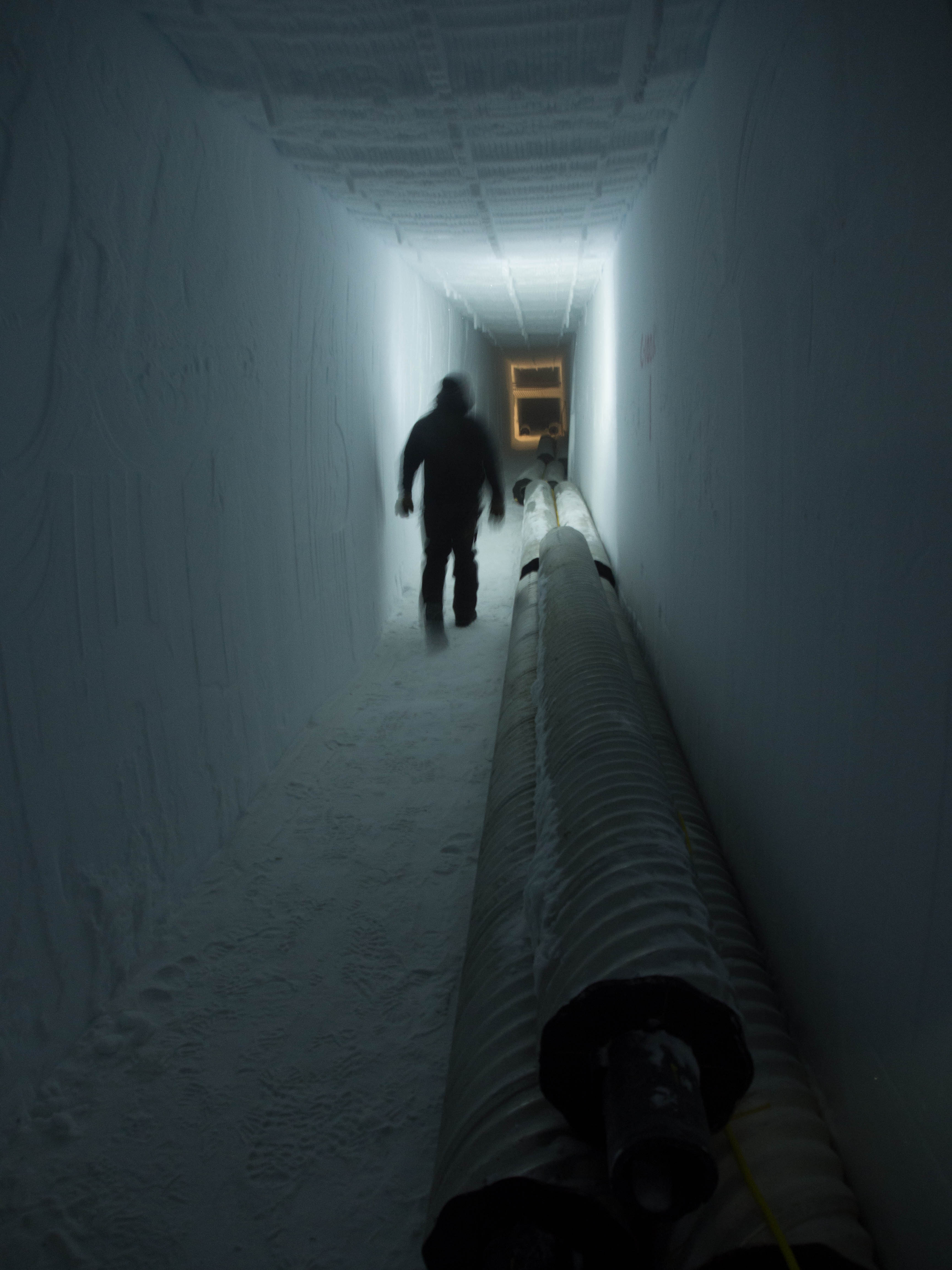
There are ice tunnels that were carved under the surface and they access the Rod Wells.
The tunnels hover between -50F to -65F.
OLYMPUS DIGITAL CAMERA

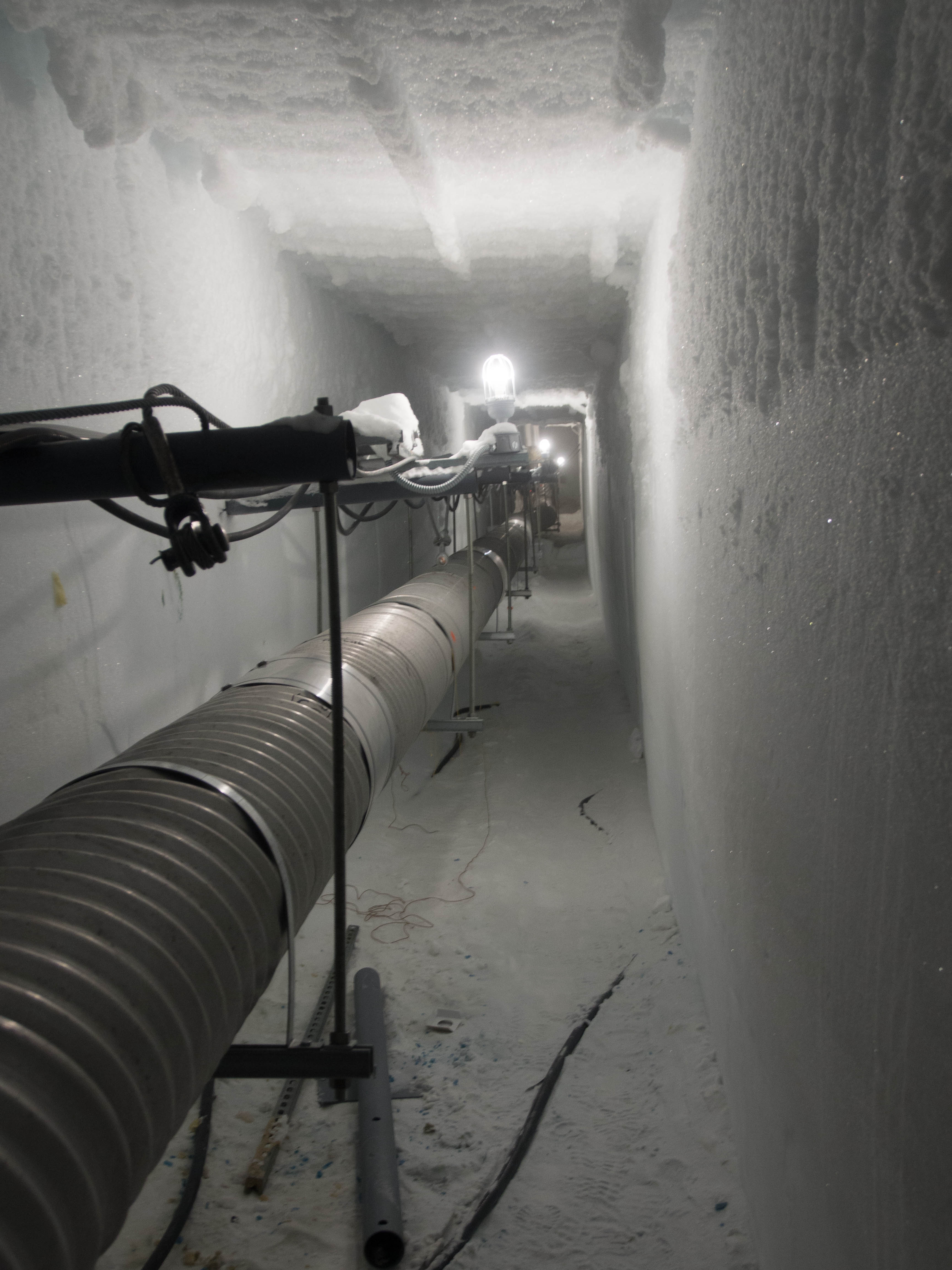
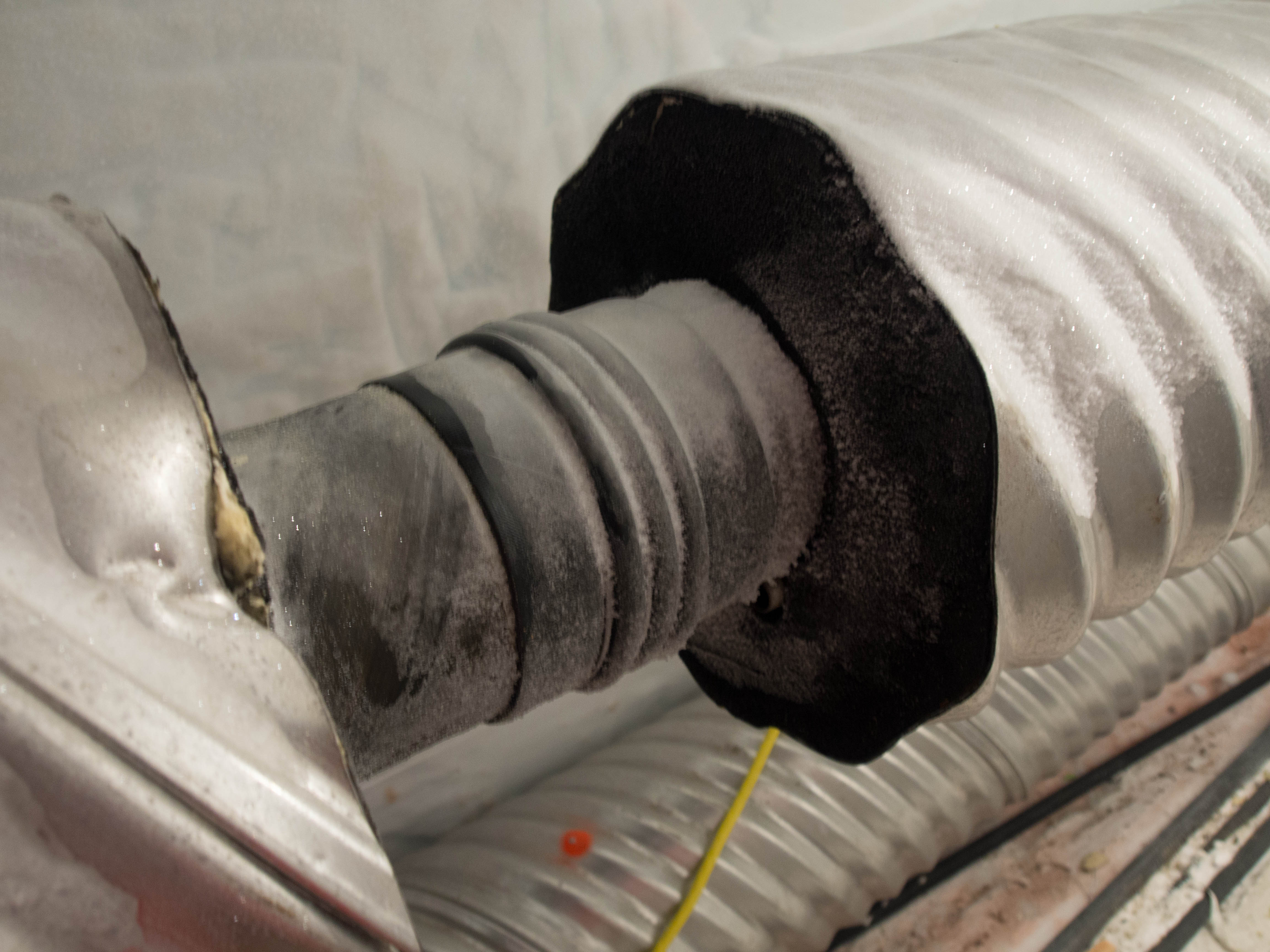
Running the length of the tunnels are the pipes pumping fresh water out of the Rod Wells.

There is another set of pipes that runs sewage back to the old Rod Wells.
OLYMPUS DIGITAL CAMERA

Heated wire and insulation keep the water and sewage in a liquid state so it keeps moving.
OLYMPUS DIGITAL CAMERA


There is also a sub culturally famous series of shrines throughout the tunnels.

One of the most famous is a Sturgeon that was given as a present from a Russian Icebreaker many years ago.

There is a long winded story but eventually it came to find a home in the depths of the ice tunnels.

OLYMPUS DIGITAL CAMERA


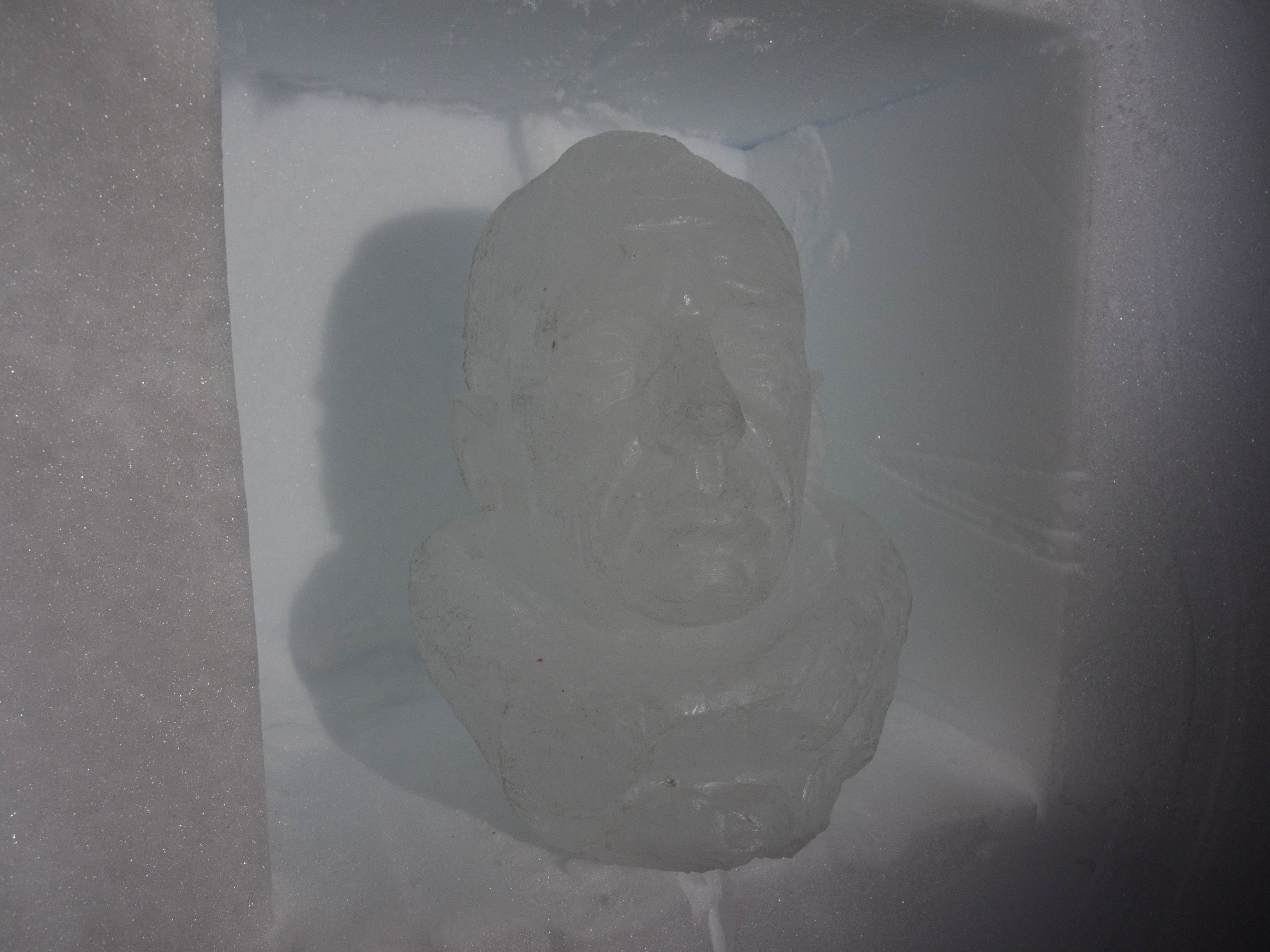
2011 was the 100 year anniversary of Amundsen reaching the South Pole.

The celebration included a bust of Amundsen carved out of ice.

To keep it frozen, the bust was placed on a snow shelf in the walls of the tunnels.
OLYMPUS DIGITAL CAMERA


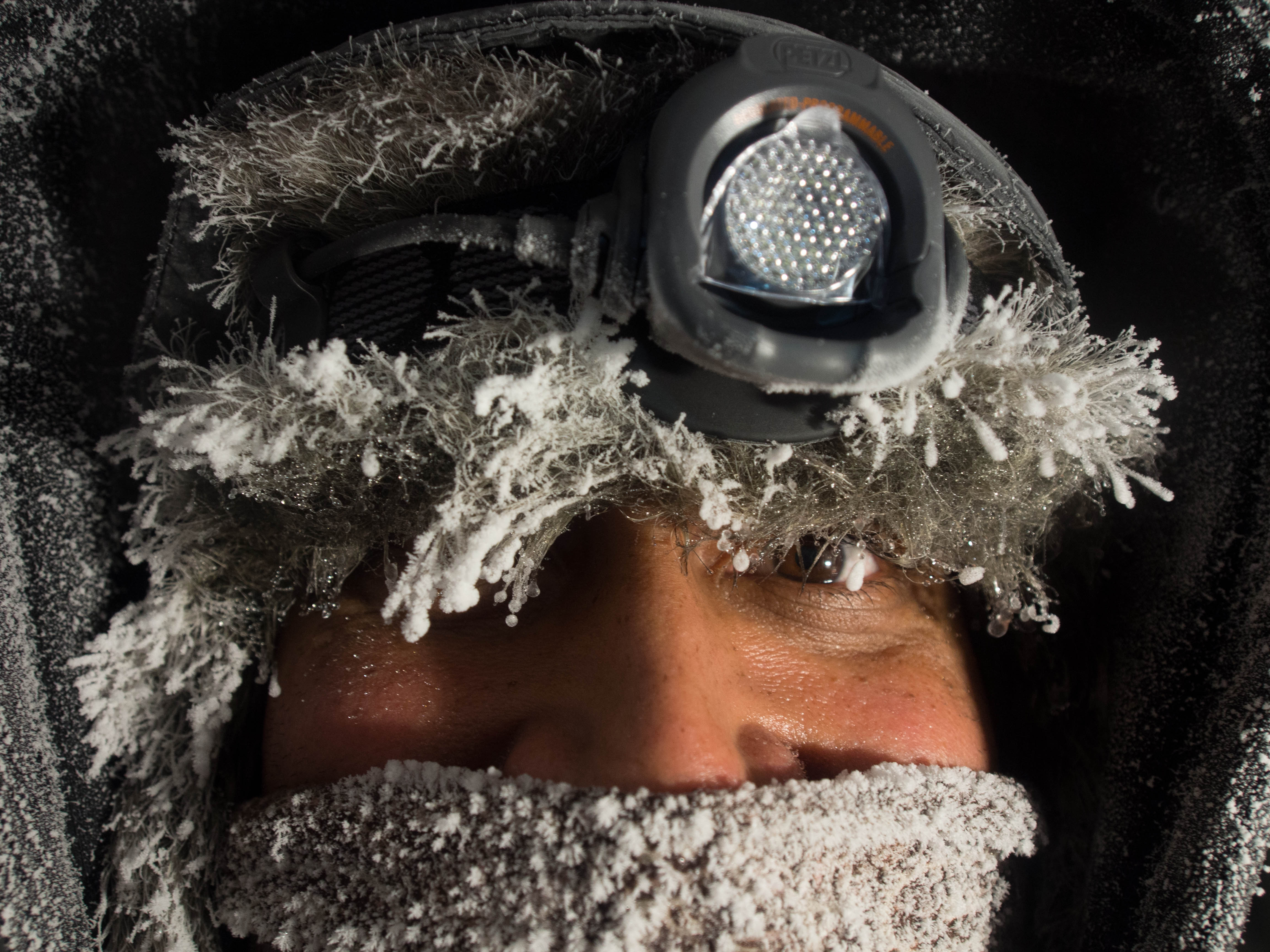
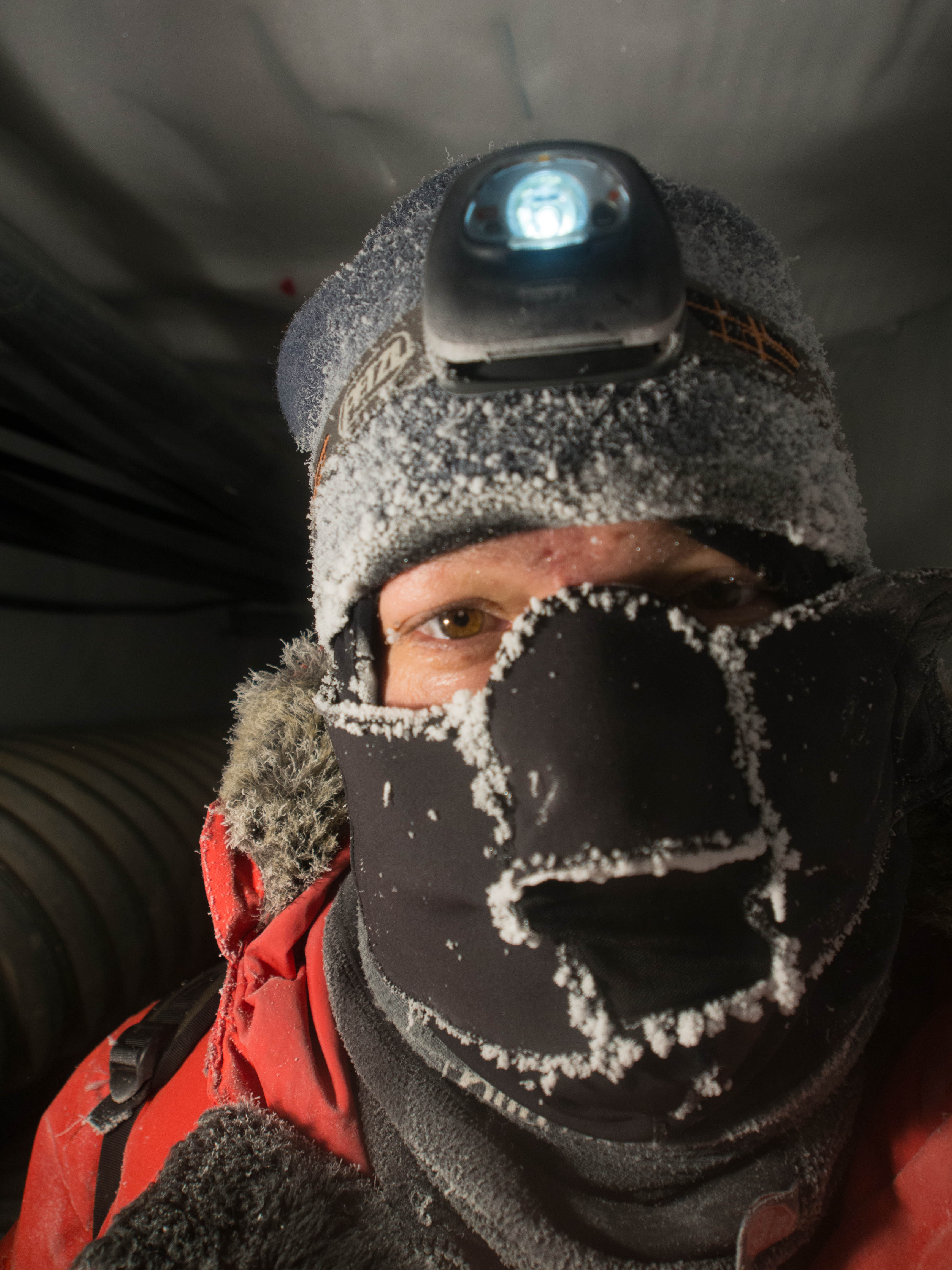
My friend would shine his headlamp at the shrines so my camera would take photos in the dark tunnels.

Then he would have to stash the headlamp back in his pocket so the batteries wouldn’t die in the cold.
OLYMPUS DIGITAL CAMERA


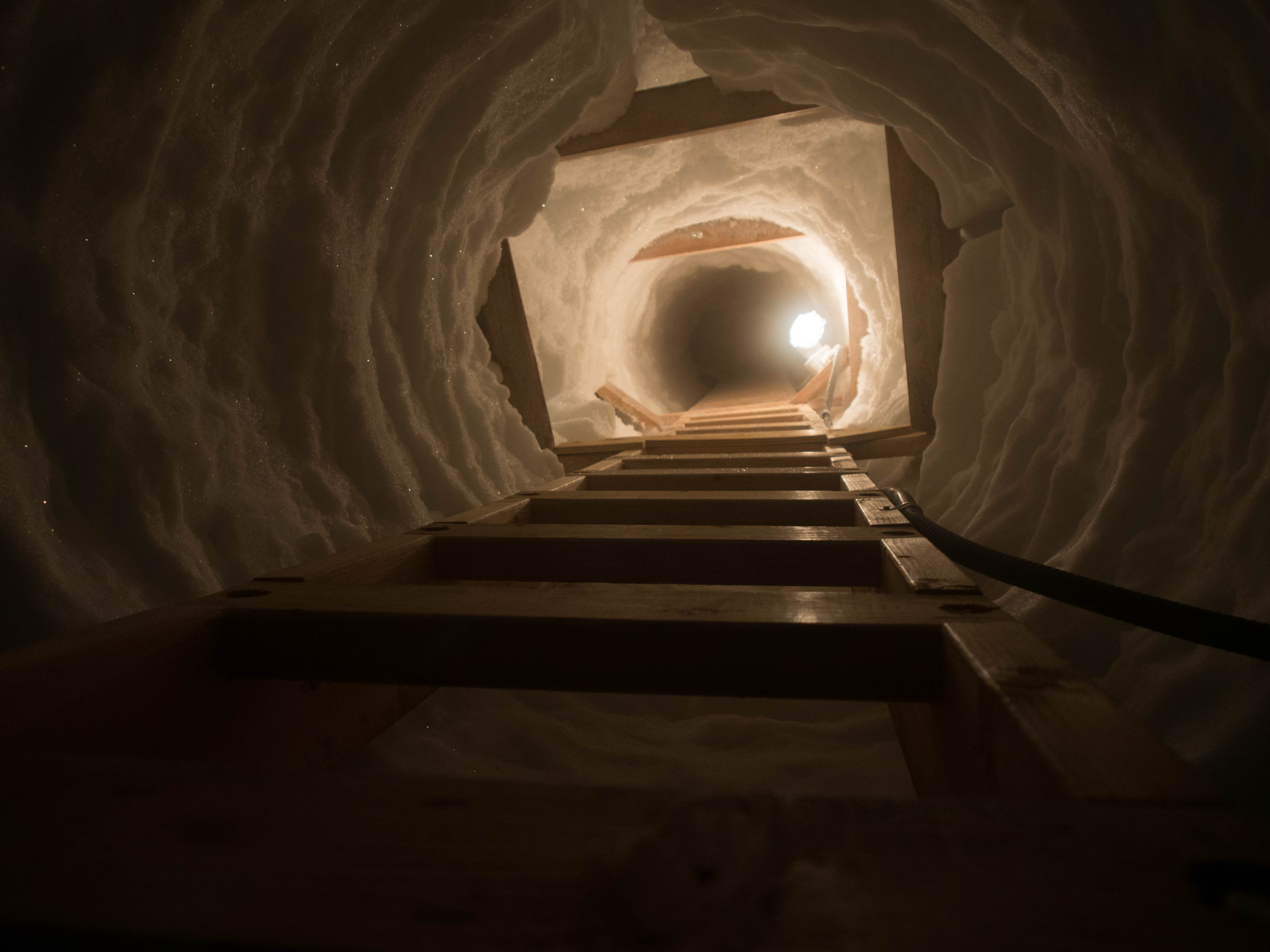
As a safety precaution there is escape hatches scattered throughout the length of the tunnels.

There are ladders leading directly up a tube etched out of the snow that would pop you out at the surface.
OLYMPUS DIGITAL CAMERA


I’ve been to some pretty odd places in my life.

Tunnels carved out of ice below the surface of the South Pole might take the cake though.

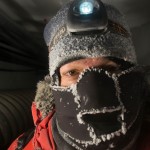
Breath had frozen my entire balaclava to the point that I thought it might crack.
OLYMPUS DIGITAL CAMERA


Down below was an alien world of dark snowy tunnels and slowly shifting ice.

Above was a good dinner, a game of pool and a warm bed.

Strange how all of those things can exist in one building.

It’s like the worlds weirdest basement.

Only at the South Pole.
OLYMPUS DIGITAL CAMERA


Flat Stanley wanted me to tell you that he hopes you enjoyed the post and to have a great week.

He also said,

To Life!
OLYMPUS DIGITAL CAMERA

AGO 2 – The Most Remote Cabin Raising Project on Earth

OLYMPUS DIGITAL CAMERA


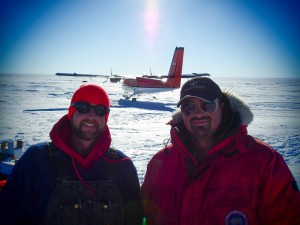
As we sat in the Twin Otter awaiting our depature to AGO 2 the time seemed to creep along.

There seemed to be a hesitation that we normal don’t have.

As we heard a loud banging resinate through the plane, we became even more inquisitive.

Then the pilot popped his head in and told us that the they had to smack the skis with a 6×6 to break it loose.

The skis had frozen to the ice.

You know it will be a long day when you skis are frozen to the ice.

At least that is what my grandma always used to say.


1 ago 2


Everything seemed to go perfectly after that first little issue.

The skies were perfect blue, displaying the varied texture of the sastrugi as it curves away beyond the horizon.

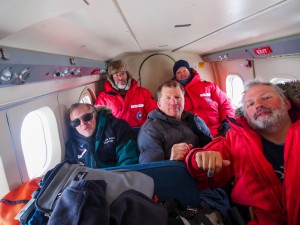
In the seats around me were David McGaw, Tim Spuck and Bob Melville, all of us settling in for the couple hour plane flight.

Time constraints had gotten the best of David and he had to leave for the states in a few days.

He flew out with us on the first put in plane, did his science work and then headed back to the South Pole on the second put in flight.

You could tell he was staring nostalgically at the plateau.


OLYMPUS DIGITAL CAMERA


It is one of those places that you are amazed that you even ended up here once.

You certainly don’t take it for granted.

It is something none of us may ever see again after the project ends.

Its funny, while its not a classicly beautiful landscape, its beauty is in its expansive openness.

There is literally nothing like this on earth and maybe anywhere else.

It is extremely real.  Its Antarctica at its most empty and massive!
With David departing we met up with a teacher named Timm Spuck who is affiliated with an organization called Polar Trec.

It puts science groups in the Polar regions together with teachers to help bring the two worlds together.

Timm proved to be a really nice guy and a great addition to the crew.


OLYMPUS DIGITAL CAMERA


I had been lulled to sleep since the plane flys perfectly smooth.

For hours we are only a couple hundred feet above the expansive plateau.

I woke to the plane banking to the left and I stared out the window to see our new home.

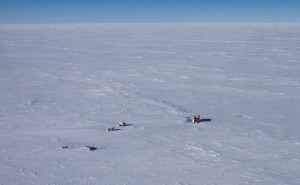
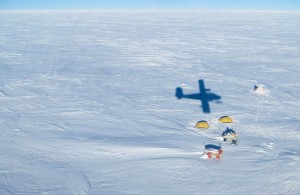
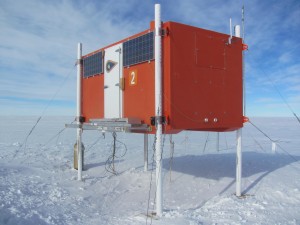
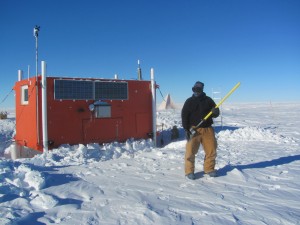
The tiny orange AGO was the only thing breaking up the white snow as far as I could see.


OLYMPUS DIGITAL CAMERA


When we landed and the pilots opened the door, I noticed one thing.

AGO 2 was so much more pleasant than AGO 3!
I suppose it’s good to start with the hardest situation first, then everything else is smooth sailing.

AGO 2 lies at 5900’ compared to AGO3 at 9600’ which made the temperature well lower.

The winds were only 5 miles an hour instead of upward of 25 mph at AGO3.

Bob explained that our AGO 3 put in was the 2nd harshest weather he had dealt with in his time in Antarctica.


OLYMPUS DIGITAL CAMERA


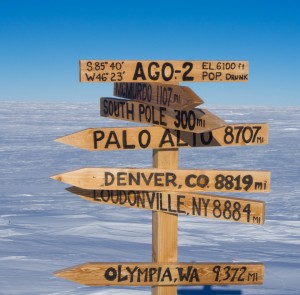
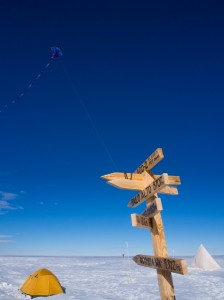
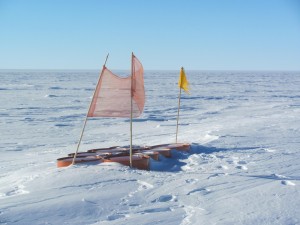
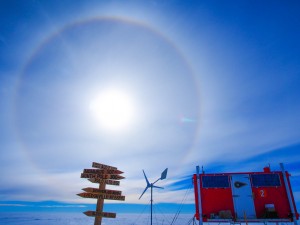
Someone through the years had made a mile marker sign which provided directions in the “front yard”.

There were distances to McMurdo, South Pole but I was intrigued at the distances to places in the states.

The sign said that it was 9,372 miles to Olympia, Washington.

That’s really far!

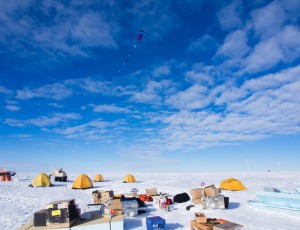
We started setting camp after hauling all the gear from the plane to the AGO.

Tim helped me put up the Scott tent and it was pleasent enough outside that we started putting up everyone’s sleeping tents.

So much different than last time!


OLYMPUS DIGITAL CAMERA


I know everything is relative but it was so pleasent to be outside.

I’m sure it was mostly weather but I also knew what I was walking into this time.

AGO 3 we had to huddle indoors just to not get frostbite and could only work in short bursts.


OLYMPUS DIGITAL CAMERA


We were still outside setting up camp when the Twin Otter got back from picking up Andy and Gil.


I bet it was cool to fly over and see the AGO already springing to life.

Tents set up and people milling about.


8 ago 2


This was to be our last flight with Phil and David as our pilots.

They were spectacular!  Thanks for all the help and good times!

They were finishing up their time on the Ice and planned to get home before Christmas.

Lucky Dogs!


OLYMPUS DIGITAL CAMERA


This trip was going to be much more in depth.

Each of the AGO’s get raised every five years in a cycle.

Luckily this year was AGO 2 which is by far the lowest elevation location and therefore the most hospitable.

The process is pretty extensive.


OLYMPUS DIGITAL CAMERA


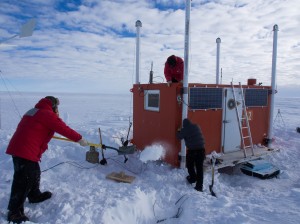
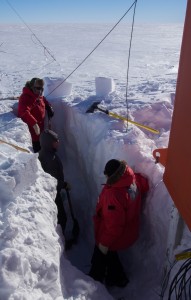
There is a lot of effort digging the guy lines out of the snow.

This is to loosen them so they can be extended when the AGO gets raised.


OLYMPUS DIGITAL CAMERA


There are new platforms placed under each corner as new supports.


OLYMPUS DIGITAL CAMERA


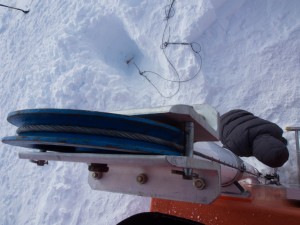
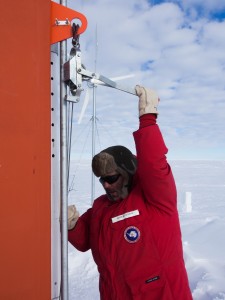
Then using pulleys and manual winches we raised the box inch by inch.


OLYMPUS DIGITAL CAMERA


We made 600 revolutions to raise 5 1/2 feet.

When we were done the AGO was like a big orange tree house.

We had to climb a steep ladder to access the front door.

Just yesterday you had to climb down a set of snow steps to access our humble abode.


13 ago 2


This is such a odd and remote place that every thing you do seems to be the strangest place to do that task.

This was certainly no different.

It has to be most remote cabin raising project on earth.


35 ago 2


To fill our time we each found our outlets.

Taking in the surreal scenery was a base level activity.

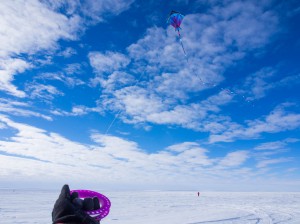
I took it to the next level and flew a kite which I had purchased back home.

You know how many times we have all gotten our kites stuck in a the neighbors trees, well that’s not an option down here.

Heck, I haven’t seen a tree in over two months.

The kite flew high and proud with nothing but the wind turbine to worry about.


OLYMPUS DIGITAL CAMERA


When we were finished with the AGO raising project I took a bit of time to fly the kite myself.

As I wondered around, kite in hand I saw Gil far in the distance giving scale to this juxtaposed activity.


OLYMPUS DIGITAL CAMERA


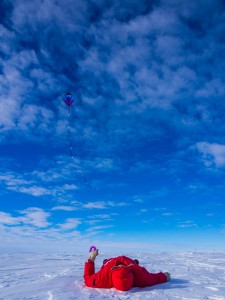
He eventually caught up to me and enjoyed laying on the ground like he was an Antarctic 6 years old.

He flew the kite with a huge smile on his face for a half hour straight.


OLYMPUS DIGITAL CAMERA


While working on an antennae installation we sighted a Snow Petrel flying through the sky.

It’s the only animal that any of us have seen in what feels like forever.

We ponder if the bird is the toughest thing around or just plain lost.

It’s at least 500 miles away from the coast and surrounded by a sterile nothingness of ice.

No liquid water or food for an incalculable distance.

Our pick up flight got delayed by four extra days because the weather was not good enough to fly.

Five men digressing into stinky, stir crazy oddballs with absolutly no normal sleep schedule.

We would be up till 4am watching movies and working on the electronics.  Mornings came late, where we would shuffle out of our tents at noon.

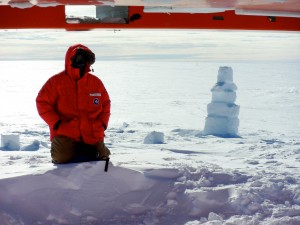
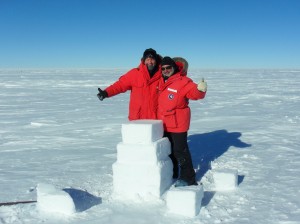
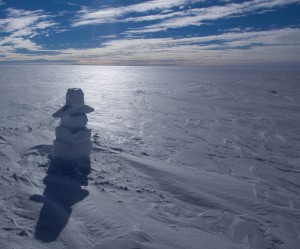
Tim and I even found time to make a snow man.


17 ago 2


Its different than making them in the states because the snow won’t stick together because its too dry and cold.  What we had though was the fact that you can saw blocks perfectly and use them to stack like a cairn.


18 ago 2


In Northern Canada the natives make cairns that are formed like little rock people.

We made the same thing out of blocks of snow and named him AGO MAN.

We decided that he was there as a sentinel looking into the blowing snow for those who can’t do so for themselves.

He was standing proud still on the days we left.


OLYMPUS DIGITAL CAMERA


Days came and went, trying to spend our time as productively as possible.

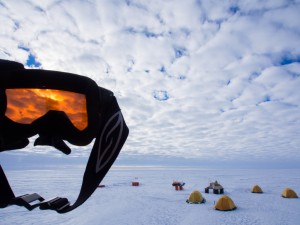
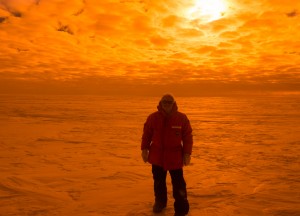
As for myself I found that if you put your goggles up to the sun when you take a picture you can really show the difference from what our eyes see and what our goggles see.


OLYMPUS DIGITAL CAMERA


This unleashed a rash of photos in which I forced people to stand in front of the sun so you can accent the photos with your goggles.

Hobbies, you have to have hobbies in the place like this.


OLYMPUS DIGITAL CAMERA


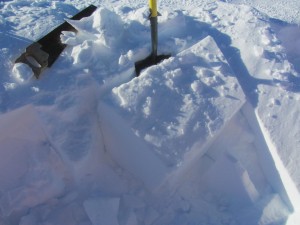
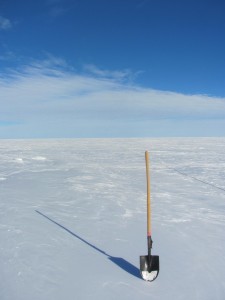
Gil found himself enamoured at how rock hard the ice was that he had me take this photo of the shovel with nothing more than a 1/4 “ sticking in the ground.

Pretty bizarre.


22 ago2


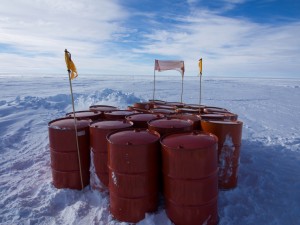
In the respect of genuine productivity we shoveled out 37 different 55 gallon barrels of AN8 or airplane fuel.


23 ago 2


This at least gives the fuel a few extra years before the blowing snow completely envelopes it.


OLYMPUS DIGITAL CAMERA


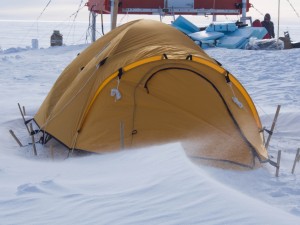
The winds blew so hard that they started making wind blown burms downwind of everything including our tents.


OLYMPUS DIGITAL CAMERA


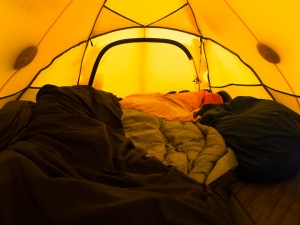
At this same point, I would choose to just climb inside that tent and wait it out.

Any of you who received a phone call, this these are the moments.


OLYMPUS DIGITAL CAMERA


Eight days at an AGO gets pretty long.

Sometimes you even play air bass with the shovel.


34 ago 2


Thankfully its 2012 which allowed us to laugh at movies on our laptops.

We watched “Walk Hard: The Dewey Cox Story” and “The Other Guys”.

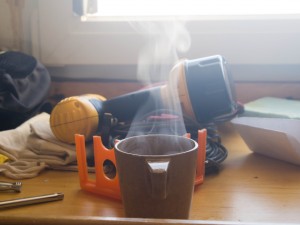
Warm drinks, funny movies and pretty good eating got us through.


OLYMPUS DIGITAL CAMERA


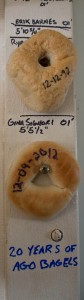
Along with signatures from everyone that  has spent long hours in this box, there was also a 20 year old bagel that was signed in 1992.

We felt compelled to add a new bagel.

Twenty years of AGO Bagels is a pretty powerful thing to witness.

Let me tell you that people!


OLYMPUS DIGITAL CAMERA


Well, finally the weather broke.

The skies cleared, the sun came out and created a sun dog which is a huge halo.

It signaled our escape from AGO 2!


OLYMPUS DIGITAL CAMERA


The word had come that we would be picked up in the morning!

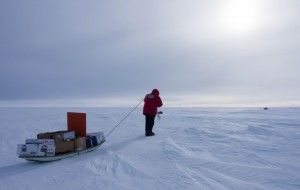
We had to get prepared for an early pick up so we hauled all of our cargo out to the landing strip.

Everyone helped but Gil was pretty excited to get outside and stretch his legs.

OLYMPUS DIGITAL CAMERA


The mission had been very successful!

We had raised the AGO to a height that will keep it clean of snow for years to come.

The power system was working great and seemed like it would last for years.

The data was transferring back to the U.S like it was supposed to.

All was well, and now it was time to get out of there.


OLYMPUS DIGITAL CAMERA


We all just wanted to get back to the South Pole!

There was warm showers, soft beds and food that someone else made.

There was also a bottle of red wine to toast…TO LIFE!


Click to open up for detail and scale

Click to open up for detail and scale